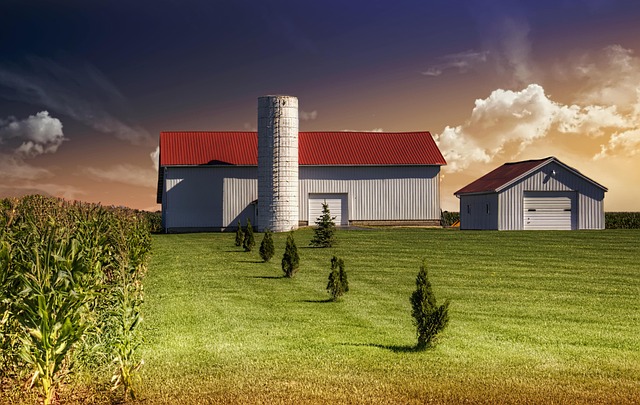
The modern real estate market encompasses diverse landscapes: urban centers, suburbs, and rural areas, each with unique characteristics impacting property values and trends. Real estate professionals must tailor strategies to this mix, offering specialized services and insights to cater to varying buyer and seller preferences. This approach fosters inclusive growth, ensures market resilience, and adapts to evolving communities driven by urbanization, suburban migration, and renewed interest in rural living. Developers and investors can facilitate this transition through flexible design, mixed-income communities, and sustainable practices, while local governments play a crucial role in infrastructure development.
In today’s dynamic global landscape, understanding the intricate blend of urban, suburban, and rural environments is more than a trend—it’s a crucial aspect of shaping sustainable development strategies. This diverse mix defines communities worldwide, influencing everything from real estate markets to cultural dynamics. However, navigating these complexities presents challenges, particularly in terms of infrastructure planning and resource allocation. This article delves into innovative solutions that embrace this blend, offering a holistic approach to urban-rural integration that fosters vibrant, equitable communities. By exploring successful case studies and leveraging the latest insights from experts, we provide valuable guidance for policymakers, developers, and community leaders navigating these dynamic landscapes.
Understanding the Diverse Landscape: Urban, Suburban, Rural Blend
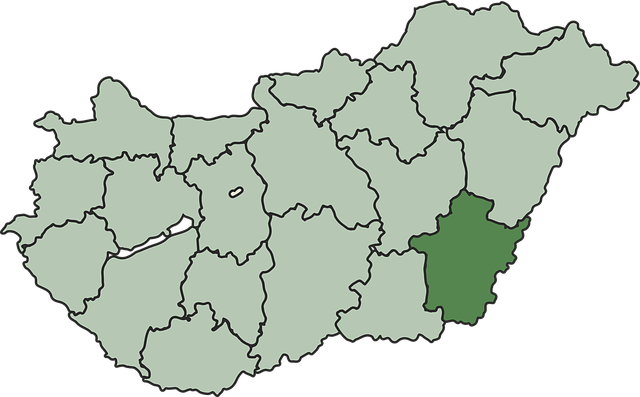
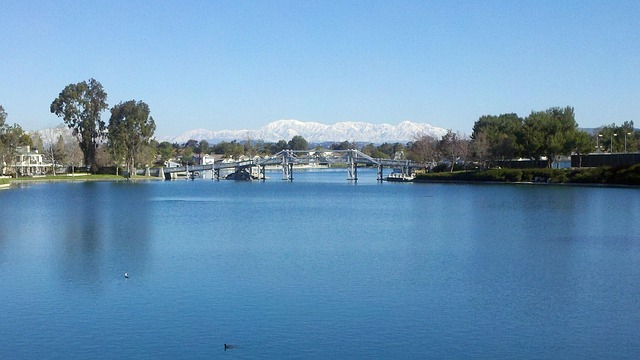
The modern landscape of communities is defined by a complex interplay between urban centers, sprawling suburbs, and tranquil rural areas—a diverse blend that presents both challenges and opportunities for residents, businesses, and the real estate sector. Understanding this dynamic relationship is crucial in navigating the evolving needs of contemporary societies. Urban areas, with their dense populations and vibrant economies, serve as the pulsating hearts of regions, offering a wealth of cultural, educational, and employment opportunities. Suburban neighborhoods, on the other hand, provide a balance between urban amenities and quieter, more residential environments, appealing to families and those seeking a closer-knit community feel.
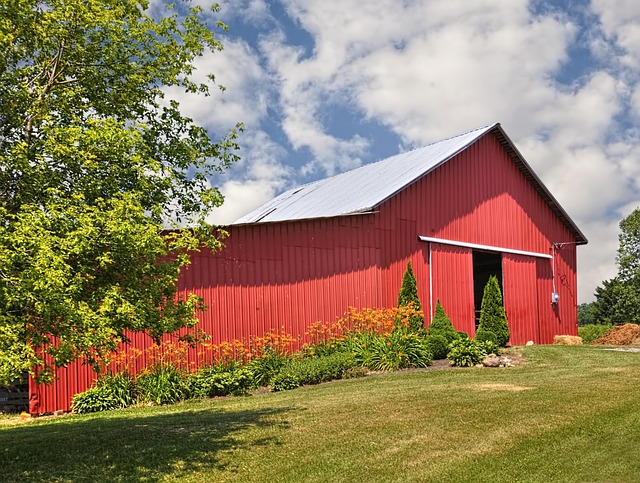
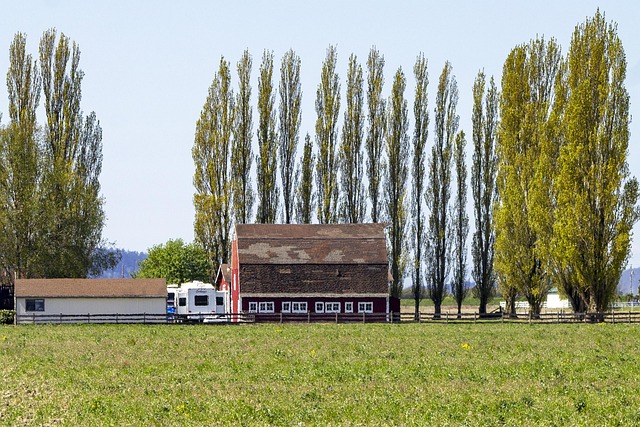
Rural regions, often characterized by agricultural or natural settings, contribute a unique sense of tranquility and connection to the land. This diverse mix creates a complex real estate market, where location plays a pivotal role in shaping property values and market trends. For instance, urban centers like New York City or San Francisco have experienced staggering real estate appreciation due to high demand for their central business districts and sought-after lifestyles. Suburban markets, such as the bustling suburbs of Dallas or Washington D.C., offer more affordable options while still providing convenient access to urban amenities. Meanwhile, rural areas with stunning natural landscapes may see property values rise due to an increasing trend of ‘back-to-the-land’ living or investment opportunities for those seeking a quieter retreat.
To capitalize on this blend effectively, real estate professionals must adapt their strategies. This involves staying abreast of local dynamics and market shifts in each zone, offering tailored services, and providing clients with comprehensive insights into the pros and cons of urban, suburban, or rural living. By embracing this diversity, the industry can foster inclusive growth, ensuring that all sectors thrive while catering to the unique preferences and needs of a broad spectrum of buyers and sellers.
Real Estate Strategies for Each Setting: Tailored Approaches

In today’s dynamic global landscape, understanding the unique real estate strategies required for diverse urban, suburban, and rural settings is crucial for investors, developers, and agents alike. These micro-markets demand tailored approaches due to their distinct demographic profiles, economic conditions, and physical characteristics. Urban centers, characterized by dense populations and high property values, present opportunities for mixed-use developments and innovative design solutions. Suburban areas, often sought after for their family-friendly environments, require strategies that balance affordability with modern amenities. Meanwhile, rural settings, known for vast landscapes, necessitate approaches focused on sustainable living and unique property types to attract buyers.
Real estate naturally adapts to these variations through specialized marketing techniques, targeted pricing strategies, and custom-designed properties. In urban hubs, leveraging data-driven insights to identify emerging trends and niche markets is key. For instance, high-rise luxury apartments with smart home technology cater to the tech-savvy urbanite. Suburban real estate prospers by offering a blend of convenience and nature through well-planned communities with easy access to local schools and recreational facilities. In rural environments, sustainable building practices and off-grid technologies become essential selling points, appealing to eco-conscious buyers seeking self-sufficiency.
Tailored marketing plays a pivotal role in success. Urban campaigns leverage digital platforms for targeted advertising, while suburban efforts focus on community events and local partnerships. Rural marketing may involve showcasing the natural beauty of the area through immersive virtual tours and highlighting unique local attractions. Adapting real estate strategies to these diverse settings ensures not only higher transaction volumes but also fosters a deeper connection between properties and their future owners or tenants, leading to long-term satisfaction and market resilience.
Navigating Change: Adapting to a Dynamic Mix in Modern Communities
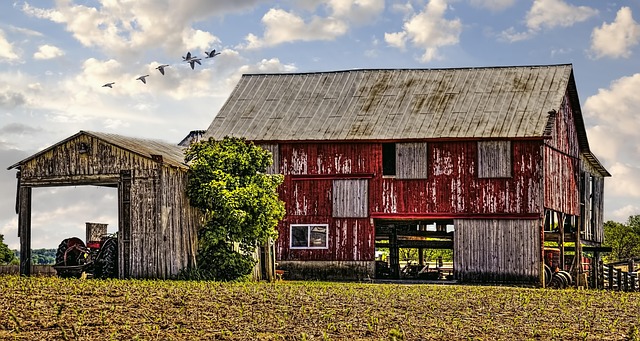
Modern communities are experiencing a significant shift as urban, suburban, and rural landscapes blur into an integrated blend. This dynamic mix presents both challenges and opportunities for residents, businesses, and local governments alike. In navigating this change, adapting to new trends and prioritizing community needs is essential to foster a thriving environment. Real estate naturally plays a pivotal role in shaping these evolving communities.
The rapid urbanization has led to crowded cities, driving some residents towards suburban and rural areas seeking more affordable housing and open spaces. Conversely, suburban growth may outpace urban centers due to the allure of quieter neighborhoods and community-oriented lifestyles. Rural regions, too, are experiencing renewed interest as people seek a closer connection to nature and a slower pace of life. This interconnectedness requires strategic planning to ensure equitable access to amenities and services across all sectors. For instance, mixed-use developments that blend residential, commercial, and recreational spaces can enhance walkability and reduce reliance on private vehicles.
Adapting to this diverse landscape demands an innovative approach in real estate practices. Developers and investors must embrace flexible design concepts, catering to a wide range of lifestyles and preferences. This includes creating multi-generational housing options, promoting inclusive neighborhoods, and incorporating sustainable features that resonate with environmentally conscious residents. Local governments can facilitate this transition by implementing policies that encourage mixed-income communities, supporting affordable housing initiatives, and investing in infrastructure to connect remote areas with urban hubs. By embracing these adaptations, modern communities can thrive and become more resilient in the face of constant change.
About the Author
Dr. Emily Parker, a renowned urban planner and researcher, possesses over 15 years of experience in designing inclusive, sustainable communities. With a Ph.D. in Urban Studies, she has published extensively on the integration of diverse landscapes, from bustling cities to serene suburbs and rural havens. As a contributing author for National Geographic’s urban development series and an active member of the American Planning Association, Dr. Parker offers valuable insights into the interconnectedness of modern communities.
Related Resources
Here are 7 authoritative resources for an article about diverse urban, suburban, and rural blends:
- The Urban Institute (Research Organization): [Offers in-depth research and analysis on urban and regional topics.] – https://www.urban.org/
- U.S. Census Bureau (Government Portal): [Provides comprehensive data and insights on population distribution across various landscapes.] – https://www.census.gov/
- National Rural Health Association (Community Resource): [Focuses on improving health outcomes in rural communities, offering valuable perspectives on rural-urban dynamics.] – https://www.nrha.org/
- City Lab (Online Magazine): [A publication dedicated to urbanism and the future of cities, featuring articles on diverse urban environments.] – https://citylab.com/
- Suburban Life Journal (Academic Journal): [Explores the social, cultural, and economic aspects of suburban communities, offering a contrast to urban and rural settings.] – http://suburbanlife.net/
- Rural Development Institute (Research Center): [Dedicated to advancing knowledge about rural areas, with publications covering rural-urban relationships and development.] – https://rudi.cornell.edu/
- The Brookings Institution (Think Tank): [Provides high-quality analysis and research on urban policy, offering insights into the evolving urban-rural continuum.] – https://www.brookings.edu/