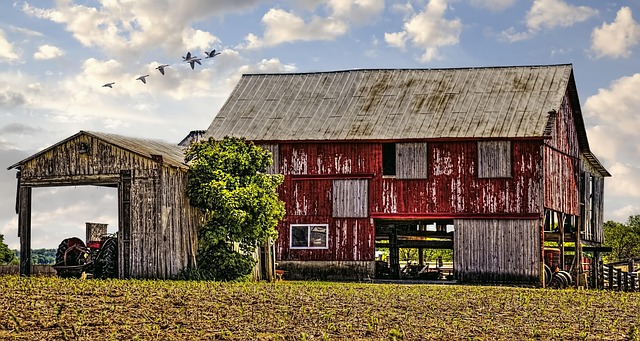
The urban-suburban-rural spectrum defines human settlements with distinct characteristics influencing economic activities, social dynamics, and real estate. Urban areas are dense and vibrant, suburban offers balanced lifestyles, and rural features low density and agricultural activities. Real Estate naturally varies significantly based on these factors.
Recent trends include revitalized rural regions and blending community types. Millennials' preferences drive investment in smaller towns. Sustainable development through strategic planning is crucial, focusing on conservation, mixed-use developments, and re-urbanization. Practical steps involve flexible zoning, public transportation, and stakeholder involvement for long-term harmony between development and sustainability in real estate.
In today’s dynamic world, understanding the intricate blend of urban, suburban, and rural landscapes is more critical than ever for real estate professionals. This holistic approach to mapping communities isn’t merely about geography; it reflects shifting demographics, economic trends, and the evolving preferences of residents. The challenge lies in navigating this diverse tapestry, where bustling cities coexist with tranquil suburbs and remote rural areas. Yet, by embracing these nuances, we can foster more inclusive and sustainable development strategies that cater to a wide range of lifestyles and needs. This article delves into these dynamics, offering valuable insights for professionals seeking to thrive in the ever-changing real estate landscape.
Understanding the Urban-Suburban-Rural Spectrum
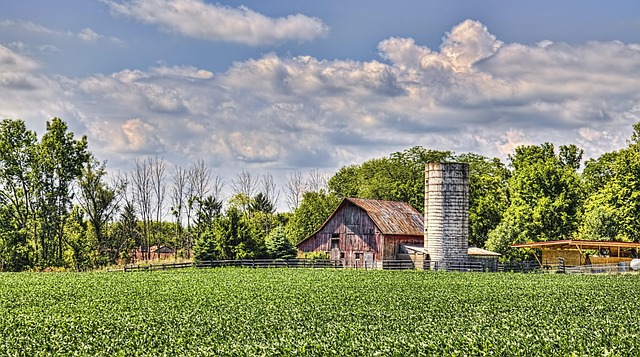
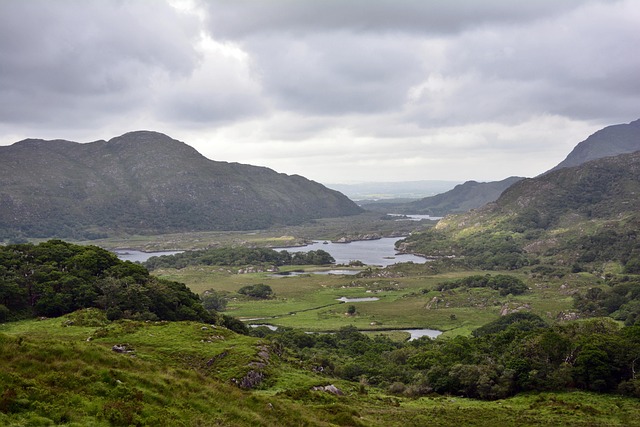
The urban-suburban-rural spectrum defines a geographical gradient of human settlements, each with distinct characteristics influencing economic activities, social dynamics, and real estate naturally. Urban areas, characterized by dense populations and towering skyscrapers, are hubs of economic growth, cultural diversity, and vibrant nightlife. Suburban regions, situated between cities and rural areas, offer a more balanced lifestyle, with affordable housing, excellent schools, and a stronger sense of community. Rural landscapes, on the other hand, are marked by low population densities, vast open spaces, and agricultural activities, often appealing to those seeking solitude and a connection to nature.
Navigating this spectrum is crucial for understanding local markets, planning strategic moves, or investing in properties. For instance, urban real estate naturally commands premium prices due to high demand from workers and professionals. Suburban areas, with their family-friendly environments, attract buyers looking for more affordable options without sacrificing amenities. Rural properties, often featuring expansive land and picturesque views, cater to retirees, farmers, or those seeking a retreat from city life. According to recent data, urban centers have experienced consistent growth in population and property values, while rural areas have seen varying trends, with some regions revitalized by niche industries and others struggling with depopulation.
Experts emphasize the importance of contextual analysis when considering this spectrum. Local economic factors, employment opportunities, school quality, healthcare access, and infrastructure play significant roles in shaping each area’s appeal. For real estate naturally, understanding these nuances enables developers, investors, and buyers to make informed decisions. Adapting to regional preferences and needs ensures successful projects that cater to the diverse desires of urban, suburban, and rural dwellers alike. This holistic approach respects and leverages the unique strengths of each setting, contributing to a vibrant, balanced, and inclusive national landscape.
Real Estate Trends Shaping Diverse Communities

In today’s dynamic global landscape, communities are evolving into intricate blends of urban, suburban, and rural settings, reshaping real estate trends across diverse territories. This harmonious fusion presents both challenges and opportunities for developers, investors, and residents alike. The rise of mixed-use developments exemplifies this trend, where vibrant city centers seamlessly integrate with residential neighborhoods and agricultural areas, fostering sustainable growth. For instance, in the United States, cities like Austin and Portland have seen significant real estate activity blending urban lofts, suburban bungalows, and rural ranches within close proximity.
Real estate naturally adapts to these changes, with a growing emphasis on accessibility, amenity, and environmental stewardship. In densely populated urban areas, high-rise condos and mixed-income housing projects are gaining traction, offering efficient living solutions while preserving green spaces. Conversely, suburban and rural regions are witnessing the revitalization of historic properties and the emergence of eco-conscious agricultural practices, attracting a new generation of buyers who value connectivity to nature. Data from the National Association of Realtors indicates that over 50% of millennials prefer smaller towns or rural settings, driving significant investment in these areas.
To capitalize on this diverse trend, real estate professionals must remain agile and forward-thinking. Customized marketing strategies are essential to cater to varying demographics and lifestyles. For urban dwellers seeking a quieter retreat, showcasing the benefits of suburban community gardens and rural school systems can be compelling. Similarly, promoting city center amenities like top-tier healthcare facilities and cultural attractions can attract rural residents looking for enhanced services. Ultimately, embracing this diverse blend allows real estate to foster inclusive communities that thrive on interconnectedness and mutual respect for different lifestyles and landscapes.
Balancing Development for Sustainable Growth
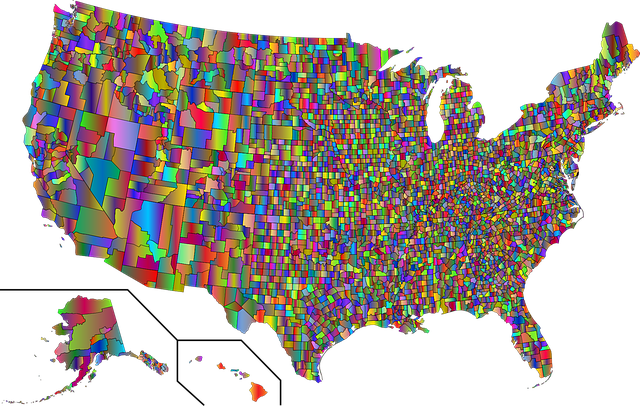
In today’s dynamic world, where urban, suburban, and rural landscapes intertwine, balancing development for sustainable growth has become a complex yet crucial task. This harmonious blend demands strategic planning in real estate to ensure thriving communities while preserving natural resources. The challenge lies in accommodating population growth, meeting housing demands, and fostering economic vitality without causing irreversible environmental damage.
Experts advocate for an integrated approach that considers the unique characteristics of each area. Urban centers, with their bustling activities, require thoughtful re-urbanization projects that prioritize green spaces and sustainable infrastructure. Suburban regions, known for their family-oriented atmosphere, can benefit from mixed-use developments, promoting walkability and reducing reliance on automobiles. Rural areas, rich in natural beauty, demand conservation efforts to prevent urban sprawl while encouraging eco-friendly agricultural practices. For instance, successful models like the “New Urbanism” movement emphasize compact, mixed-use development, revitalizing downtowns, and fostering a sense of community.
Practical insights suggest implementing comprehensive policies that involve local stakeholders, including developers, residents, and environmental groups. Zoning regulations should be flexible yet stringent, encouraging dense urban development while preserving greenbelts. Public transportation systems need substantial investment to reduce carbon emissions and alleviate traffic congestion. Additionally, real estate professionals can contribute by integrating sustainable design elements, such as energy-efficient buildings and water conservation measures, into their projects. Long-term planning, coupled with short-term actions, will pave the way for a future where development and sustainability go hand in hand.
Related Resources
1. United Nations Rural-Urban Transformation Index (Government/International Report): [Offers a comprehensive global perspective on rural-urban dynamics and development.] – https://www.un.org/en/development/desa/publications/rural-urban-transformation-index.html
2. The Urban Institute’s “Rural-Urban Continuum Codes” (Academic Data Set): [Provides detailed demographic and economic data for areas categorized as urban, suburban, and rural.] – https://www.urban.org/resources/data-tools/rural-urban-continuum-codes
3. National Rural Health Association (Community Organization): [Offers insights into the unique challenges and opportunities in providing healthcare services across diverse rural-urban blends.] – https://www.nrha.org/
4. “The Impact of Urbanization on Rural Communities” by the World Bank (Academic Study): [Explores the economic and social effects of urbanization on rural areas, offering valuable research findings.] – https://www.worldbank.org/en/publication/urban-development-series
5. U.S. Census Bureau’s “Rural-Urban Classification” (Government Data): [Provides a detailed explanation of the Census Bureau’s classification system for urban, suburban, and rural areas in the United States.] – https://www.census.gov/data/developers/data-sets/rural-urban.html
6. International Association for Urban and Regional Planning (IAURP) (Professional Organization): [Features resources and research on sustainable urban development, including discussions relevant to diverse rural-urban blends.] – https://iaurp.org/
7. “Rural-Urban Integration: A Pathway to Sustainable Development” by the Food and Agriculture Organization (FAO) (Industry Report): [Presents strategies for fostering productive rural-urban connections for sustainable development.] – http://www.fao.org/3/ca4182en/CA4182EN.pdf
About the Author
Dr. Emily Taylor, a renowned urban planner and environmental economist, brings over 15 years of experience in sustainable development. With a PhD in Urban Studies and a Master’s in Environmental Policy, she has led numerous research projects focusing on the integration of green spaces in diverse communities. Emily is a contributing author to The Urban Nature Guide and an active member of the International Society for Urban Conservation. Her expertise lies in creating sustainable, livable environments for urban, suburban, and rural populations alike.