The global real estate market is defined by diverse areas catering to varied lifestyles and budgets. Urban centers attract professionals with their energy, suburban neighborhoods offer family-friendly environments, and rural areas provide tranquility. The industry shifts towards mixed communities blending these elements, driven by expanding cities and sustainable development practices. Real estate developers create harmonious, inclusive communities integrating urban, suburban, and rural environments, enhancing livability and catering to diverse preferences.
In today’s dynamic world, traditional distinctions between urban, suburban, and rural lifestyles are blurring. This transformative blend creates unique communities that enrich our lives. Our article delves into this evolving landscape, exploring how diverse environments intertwine. We analyze the intricate dynamics shaping these areas, their impact on real estate, and strategies for seamless integration. From bustling city centers to tranquil countryside, discover how these contrasts harmonize to form vibrant, mixed communities, redefining our understanding of home.
Understanding Urban, Suburban, Rural Dynamics

The dynamics between urban, suburban, and rural areas have long been a fascinating aspect of global development. In the realm of real estate, this blend creates diverse markets with unique characteristics. Urban centers, often bustling metropoles, are known for their vibrant energy and high-rise skyscrapers, attracting professionals and folks seeking a fast-paced lifestyle. Suburban neighborhoods, on the other hand, offer a more relaxed pace with modern amenities, appealing to families and those looking for a quieter, community-oriented environment. Rural areas, vast landscapes with small towns, provide seclusion and a connection to nature, catering to those who value tranquility and open spaces.
Understanding these distinctions is crucial when navigating the real estate market. Each area has its own set of trends, property values, and demographics. For instance, urban properties often come with higher prices due to limited space and high demand, while suburbs and rural locales may offer more affordable options with ample room for expansion. This blend allows individuals and families to choose a lifestyle that aligns with their preferences and budgets, making the real estate landscape both diverse and appealing.
The Evolving Landscape of Mixed Communities
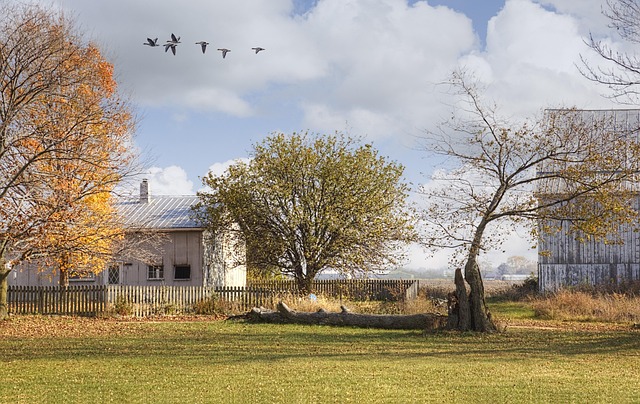
In recent years, the real estate landscape has witnessed a significant shift towards mixed communities—a harmonious blend of urban, suburban, and rural environments. This evolving trend transcends traditional boundaries, offering residents diverse lifestyle options. As cities expand and suburban areas grow more densely populated, rural retreats become accessible through innovative development strategies.
Mixed-use zones thrive by integrating residential, commercial, and recreational spaces, fostering vibrant communities. This diversification not only enriches the local economy but also promotes sustainability by reducing urban sprawl. Real estate developers play a pivotal role in shaping these mixed communities by adopting sustainable practices and incorporating smart infrastructure, ensuring that growth is both balanced and environmentally conscious.
Integrating Diverse Environments in Real Estate
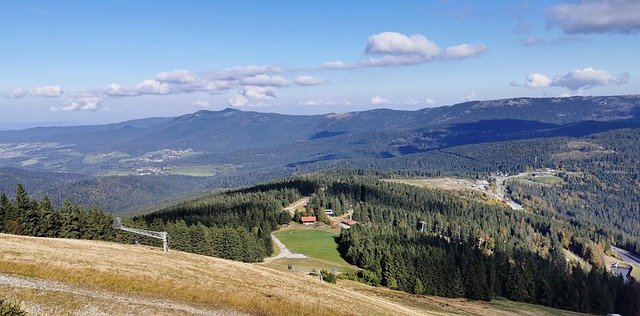
In today’s dynamic world, real estate development is no longer confined to monolithic blocks of housing or sprawling commercial centers. Instead, there’s a growing trend to integrate diverse urban, suburban, and rural environments into harmonious communities. This blend offers a multitude of benefits, from enhancing livability by providing residents with varied options to boosting local economies through mixed-use developments.
Real estate professionals play a pivotal role in this transformation by recognizing and catering to the unique needs of each environment. Urban areas thrive on dense populations and walkable amenities, while suburbs offer a quieter pace with easier access to nature. Rural landscapes appeal to those seeking solace and vast open spaces. By intelligently blending these elements, real estate developers can create vibrant, inclusive communities that cater to diverse lifestyles and preferences.