The real estate sector is a powerful engine for state economic growth, shaping urban landscapes, boosting infrastructure, and stimulating local economies. To unlock its potential, states should implement policies promoting mixed-use developments, streamline zoning, facilitate access to capital, and foster public-private partnerships. Sustainable construction practices, like green buildings, and embracing technology enhance market reach and transparency. Responsible real estate management drives sustainable urban growth, creating green spaces and attracting environmentally conscious investors. Unchecked development poses risks of habitat destruction, pollution, and social disparities, necessitating collaboration on innovative solutions like smart city technologies and renewable energy investment for robust and responsible economic growth.
In the dynamic landscape of economic development, understanding the drivers behind a state’s growth is paramount for policymakers, investors, and business strategists alike. Among the multifaceted factors, the real estate sector stands out as a powerful catalyst, naturally influencing urban evolution and economic prosperity. However, navigating this intricate relationship presents challenges, particularly in deciphering the complex interplay between policy, market dynamics, and public infrastructure. This article delves into the mechanisms through which robust real estate practices fuel state growth, offering valuable insights for stakeholders seeking to optimize opportunities and shape thriving communities.
Unlocking Potential: Real Estate's Role in Economic Growth
The real estate sector plays a pivotal role in unlocking the economic potential of any state, serving as a catalyst for growth and development. This dynamic industry’s impact extends far beyond mere property transactions; it shapes urban landscapes, fosters infrastructure growth, and drives local economies. When states prioritize and invest in their real estate market, they open doors to numerous advantages that contribute to long-term prosperity.
At its core, the real estate sector creates a ripple effect throughout the economy. Construction projects, for instance, generate employment opportunities, stimulate demand for various goods and services, and contribute to tax revenues. According to recent studies, every $1 million invested in commercial real estate can generate up to 12-16 new jobs, showcasing its profound economic multiplier effect. Furthermore, real estate development often accompanies infrastructure upgrades, such as improved transportation networks and public amenities, which enhance the overall quality of life for residents and attract businesses.
One prominent example is the rapid growth of tech hubs in major cities worldwide. The rise of these centers cannot be attributed solely to favorable business policies; robust real estate markets that offer modern, flexible workspaces have been instrumental. Cities like San Francisco and New York have experienced significant economic booms due to their ability to provide state-of-the-art office spaces, attracting startups and multinational corporations alike. This trend underscores the direct correlation between vibrant real estate landscapes and thriving economies.
To harness this potential, states should focus on creating an enabling environment for developers and investors. Policies that streamline zoning regulations, offer incentives for mixed-use developments, and facilitate access to capital can significantly boost the sector’s growth. Additionally, partnerships between public and private entities have proven effective in large-scale projects, ensuring efficient land utilization and sustainable development. By unlocking the full potential of real estate, states can drive economic growth, foster innovation, and create vibrant, thriving communities.
Driving State Prosperity: Key Strategies and Trends
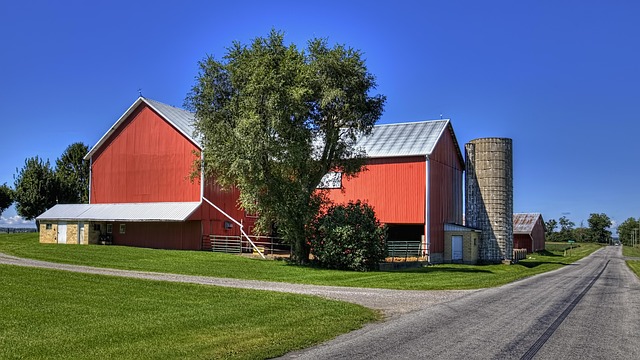
The economic prosperity of a state is multifaceted, with various sectors contributing to its overall growth. Among these, real estate stands out as a driving force, significantly impacting state economies and fostering development. This sector’s influence can be attributed to several key strategies and trends that have been implemented successfully across different regions.
Firstly, the strategic utilization of land resources is pivotal. States with robust real estate markets recognize the potential of urban planning and smart development. For instance, revitalizing urban areas through mixed-use projects combines residential, commercial, and recreational spaces, attracting investments and creating vibrant communities. This approach not only enhances the quality of life for residents but also stimulates local economies by generating employment opportunities and increasing consumer spending. Moreover, focusing on sustainable practices in construction and property management has become a game-changer. Green buildings and energy-efficient designs not only cater to environmental concerns but also command premium prices in today’s market, contributing to state revenue streams.
Another critical aspect is the role of technology in real estate. Digital platforms have revolutionized how properties are marketed, purchased, and managed. Online listings and virtual tours have expanded market reach, enabling access to potential buyers worldwide. Additionally, blockchain technology offers unprecedented transparency and security in land registration and transactions. Embracing these innovations ensures that states remain competitive in the global real estate arena, fostering foreign investments and driving economic growth. To harness these opportunities effectively, state governments should collaborate with industry experts and investors to create policies that encourage both traditional and emerging trends in the sector.
Sustainable Development: Real Estate's Impact on Local Communities
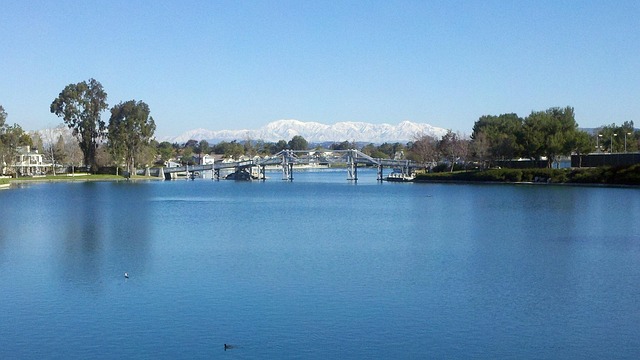
The economic growth of a state often mirrors its commitment to sustainable development, with real estate playing a pivotal role in this narrative. As an industry that touches every aspect of community life, real estate naturally influences local economies, environments, and social structures. When managed responsibly, it can drive sustainable urban development, providing a foundation for thriving communities. For instance, eco-friendly residential projects in major cities have been instrumental in reducing carbon footprints while enhancing the quality of life for residents.
One tangible impact is the creation of green spaces within urban landscapes. Developers are increasingly incorporating extensive greenery into their designs, not only to mitigate the urban heat island effect but also to foster mental well-being among inhabitants. These strategies not only attract environmentally conscious investors and tenants but also contribute to long-term community resilience against climate change. Furthermore, real estate projects can stimulate local economies by engaging and upskilling construction workers, fostering small businesses, and driving demand for ancillary services—a clear win for both the industry and the broader state economy.
However, the potential pitfalls of unchecked development are significant. Rapid urbanization without proper planning can lead to habitat destruction, increased pollution, and social disparities. To mitigate these risks, real estate developers and policymakers must collaborate on innovative solutions. This includes adopting smart city technologies to optimize resource management, implementing inclusive zoning policies that cater to diverse income groups, and investing in renewable energy infrastructure. By embracing sustainable practices throughout the industry, states can ensure that economic growth is both robust and responsible, benefiting current and future generations alike.