Cultural events in arid regions are essential for community resilience and tourism, but real estate trends pose a threat to their uniqueness. Balanced conservation is key to preserving these traditions as desert areas become more popular for sustainable, tech-integrated living. Real estate developers are transforming the landscape with eco-friendly designs, smart homes, and amenities, attracting global residents seeking tranquility without losing the local cultural tapestry.
In the vast, vibrant landscapes of desert living, sports and culture intertwine, shaping unique communities. This article explores the multifaceted dynamics between these elements. From the energizing impact of sports on arid environments to the resilient cultural events that flourish in spite of challenging conditions, we delve into how these factors influence local identities. Additionally, we examine real estate trends, showcasing how desert living spaces are transforming, reflecting both traditional roots and modern amenities. Discover the harmonious blend of athletics, culture, and evolving property developments defining this captivating region.
The Impact of Sports on Desert Communities
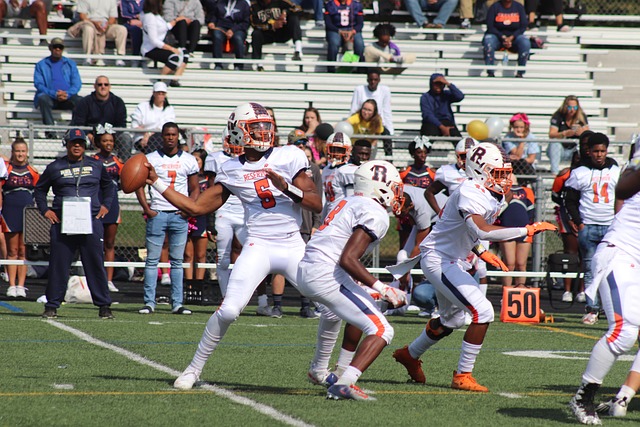
Sports play a pivotal role in fostering a sense of community within desert regions, where isolation and extreme weather can make social connections vital. Local sports leagues and events bring folks together, creating a unique bond among residents. This sense of camaraderie often translates into a stronger desire to preserve and enhance their desert home, positively impacting the local real estate market.
Desert communities that embrace sports tend to attract visitors and newcomers, who are drawn not just by the scenic landscapes but also by the vibrant atmosphere created by these activities. This influx can stimulate economic growth, leading to improved infrastructure and amenities—benefits that are reflected in the overall desirability and value of properties in the area, making it an attractive place to live, work, and play.
Cultural Events in Arid Environments: Flourishing or Fading?
In arid environments, cultural events often reflect the resilience and creativity inherent in communities that call these harsh landscapes home. From music festivals under the stars to traditional dance performances showcasing local heritage, these gatherings not only entertain but also serve as a source of pride and identity for residents. Moreover, they contribute to the local economy by attracting visitors, who are drawn to authentic experiences and the unique blend of sport and culture that such environments offer.
However, as real estate in these areas becomes more desirable due to their scenic beauty and affordable living, there’s a risk that the very essence of these cultural events could fade. The influx of new residents and increased development pressure may lead to homogenization or even loss of traditional practices. Preserving these cultural events requires deliberate efforts to balance conservation with growth, ensuring that both the landscape and its vibrant tapestry of traditions remain intact for future generations.
Real Estate Trends Shaping Desert Living Spaces
The real estate trends in desert living are reshaping the way people experience and interact with these unique environments. With an increasing global population, many are drawn to the tranquility and beauty of deserts, leading to a surge in demand for properties in these regions. Developers are responding by creating innovative designs that seamlessly blend modern comforts with the arid landscape. Sustainable architecture is at the forefront, incorporating features like solar panels, efficient water management systems, and natural ventilation to reduce environmental impact.
These trends also include the integration of smart home technology, ensuring desert dwellers enjoy advanced connectivity and convenience. Open-plan living spaces are becoming popular, allowing residents to maximize natural light and outdoor views. Additionally, community amenities focused on recreation and well-being, such as fitness centers, pools, and communal gathering areas, enhance the quality of life in these remote locations.