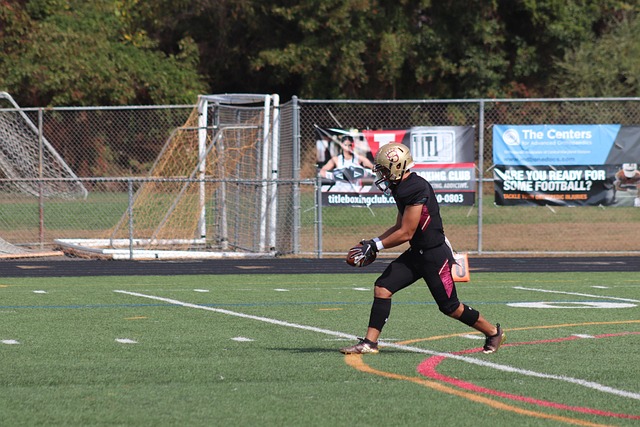
Sports play a vital role in fostering community resilience and engagement in arid regions, offering economic benefits through tourism and local pride. Real estate development can integrate these activities, creating multifunctional spaces that support both residential needs and sporting culture. Desert cities' unique heritage, characterized by innovative water management and architectural designs, attracts visitors and influences modern real estate practices. Sustainable design strategies, including passive cooling, renewable energy integration, and cultural sensitivity, are essential for addressing desert climate challenges in urban growth.
Sports, culture, and desert living intertwine to shape unique communities and vibrant landscapes, offering both challenges and opportunities in real estate. This interplay creates a dynamic environment where athletic facilities become community hubs, cultural events draw diverse populations, and the harsh yet captivating desert terrain inspires innovative design. However, balancing these elements is crucial for sustainable development. By examining successful integration strategies, we can unlock the full potential of these factors to create thriving, resilient urban centers. In this article, we delve into practical solutions that harness the power of sports, culture, and desert geography to shape desirable, sustainable real estate destinations.
Sports: Cultivating Communities in Arid Landscapes
Sports play a pivotal role in fostering community engagement and resilience within arid landscapes, where harsh climates and limited resources present unique challenges. These environments, often characterized by expansive real estate, offer opportunities for innovative sports initiatives that not only cater to physical well-being but also strengthen social bonds. For instance, the rise of desert triathlons and ultra-marathons has become a global phenomenon, attracting participants from diverse backgrounds who seek to conquer both the terrain and their personal limits. This trend is particularly prominent in regions such as the Middle East, where arid climates have led to the development of robust endurance sports communities.
Community-led sports programs in these areas often emerge organically, driven by local passion and a desire for connection. For example, traditional camel racing events in certain Arab countries not only serve as cultural milestones but also provide a platform for intergenerational bonding and community pride. As these activities gain traction, they can be strategically integrated into local real estate development plans, creating multifunctional spaces that support both residential and sporting needs. Such initiatives ensure that communities thrive, even in challenging environments, by offering accessible recreational avenues that promote health and camaraderie.
Beyond individual participation, sports in arid regions have economic implications, fostering local tourism and employment opportunities. The organization of high-profile sporting events can attract visitors from around the globe, contributing to the growth of related industries such as hospitality and entertainment. This synergistic effect not only enhances the local economy but also raises awareness of the unique cultural offerings these regions possess. As desert landscapes continue to capture global attention, real estate developers have a responsibility to prioritize community-centric sports infrastructure, ensuring that these areas remain vibrant hubs of activity for both residents and visitors alike.
Culture: Shaping Desert Cities, Past and Present
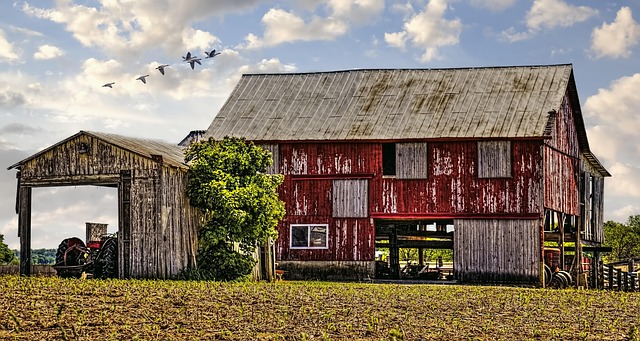
Desert cities have long been shaped by their unique geographical settings, influencing every aspect of local culture from art to architecture, and even real estate development. Historically, communities thriving in these harsh environments adapted to survive, creating rich cultural legacies that are still evident today. For instance, traditional desert architecture often incorporates innovative water management systems and natural insulation, providing valuable lessons for contemporary urban planning. This historical resilience has left an indelible mark on the built environment, with many iconic landmarks and structures that serve as a testament to past civilizations’ ingenuity.
The cultural fabric of these cities continues to evolve, blending traditional heritage with modern influences. Art exhibitions showcasing local artists’ interpretations of desert life, alongside vibrant music scenes, offer visitors a glimpse into the dynamic nature of these communities. Moreover, culinary traditions rooted in the region’s scarcity and abundance have given rise to distinctive cuisines that draw both locals and tourists. Real estate developers in these areas often capitalize on this cultural richness by creating spaces that celebrate the past while accommodating contemporary lifestyles, ensuring that historic architecture and modern amenities coexist harmoniously.
Today, as desert cities experience rapid growth due to their booming economies and attractive quality of life, preserving cultural heritage becomes increasingly crucial. Urban renewal projects must strike a delicate balance between developing infrastructure and maintaining the unique character that attracts residents and visitors alike. Engaging local communities in decision-making processes and promoting sustainable practices can help shape a future where desert cities thrive not only economically but also culturally, ensuring their rich history remains an integral part of their identity.
Real Estate: Adapting to the Unique Challenges of Desert Living
The intersection of sports, culture, and desert living presents unique challenges and opportunities for real estate development. In these arid landscapes, where extreme temperatures and scarce water resources are the norm, designing sustainable and livable spaces is paramount. For instance, in cities like Las Vegas and Phoenix, rapid urbanization has put pressure on existing infrastructure, forcing developers to innovate with smart, water-efficient designs and energy-saving technologies. This shift towards sustainability not only addresses pressing environmental concerns but also aligns with the growing demand for eco-friendly housing among buyers.
Real estate professionals must navigate these complexities by integrating local knowledge with cutting-edge solutions. One practical approach is adopting passive cooling techniques, such as reflective roofing and strategic landscaping, to mitigate intense summer heat. Additionally, incorporating renewable energy sources like solar panels can significantly reduce operating costs and carbon footprints. For example, some desert communities have successfully implemented large-scale solar projects that power entire neighborhoods, setting a benchmark for future developments.
Moreover, designing with the local culture in mind is crucial. In many desert regions, outdoor living spaces are integral to the lifestyle, necessitating expansive patios, pools, and entertaining areas. Incorporating elements of traditional architecture, like open courtyards and natural ventilation, can enhance comfort while respecting cultural heritage. By understanding these nuances, real estate developers can create not just homes but vibrant, sustainable communities that thrive in the unique challenges of desert living.