Sports in arid environments require strategic adaptations. Key strategies include specialized planning, timing competitions for optimal temperatures, advanced cooling systems, and integrating sports infrastructure into urban planning. Athletes adapt with specific training methods, while governing bodies host events during cooler seasons. Real estate plays a vital role by creating accessible outdoor spaces, enhancing quality of life, and preserving cultural heritage. Developers integrate green spaces, facilities for outdoor sports, and community hubs that celebrate local traditions, combining sustainable practices with natural cooling methods. This holistic approach fosters thriving communities, economic growth, and vibrant desert metropolises.
Sports, culture, and desert living are interconnected facets that shape unique communities and landscapes. The integration of these elements creates a vibrant tapestry where real estate plays a pivotal role in fostering growth and attracting residents. However, balancing the demands of modern life with the harsh conditions of arid environments presents challenges. This article delves into the intricate relationship between sports facilities, cultural hubs, and desert real estate, offering insights that can guide developers, urban planners, and investors toward sustainable and thriving desert communities. By exploring successful models and innovative solutions, we aim to provide valuable knowledge for creating livable, desirable, and resilient desert spaces.
Sports in Arid Environments: Adapting to Desert Challenges
Sports in arid environments present unique challenges, demanding adaptations from athletes and sports governing bodies alike. The harsh conditions, characterized by extreme temperatures, limited water resources, and vast open spaces, require specialized strategies to ensure both performance and safety. For instance, endurance sports like long-distance running and cycling thrive in desert landscapes, but organizers must carefully plan rest stops and hydration stations to combat heat exhaustion and dehydration. In countries like Kuwait and Qatar, where the summer temperature often exceeds 45°C, sporting events are timed to avoid the hottest parts of the day, reflecting a practical adaptation to the environment’s demands.
Real estate naturally plays a crucial role in addressing these challenges. Well-designed sports facilities with advanced cooling systems and shaded areas can mitigate the effects of desert heat. Indoor arenas and covered stadiums are becoming more common in arid regions, providing controlled environments for various sporting activities year-round. Moreover, smart urban planning integrates sports infrastructure into the fabric of cities, ensuring easy accessibility and promoting active living among residents. For example, Dubai’s extensive network of parks and recreational spaces, coupled with its world-class fitness facilities, encourages outdoor sports participation despite the arid climate.
Adaptability is key to thriving in desert environments. Athletes and coaches must embrace specialized training methods that build heat tolerance and enhance fluid management. This includes incorporating interval training and acclimatization strategies into routines to prepare for the unique demands of high-intensity exercise under harsh conditions. Furthermore, sports governance bodies should consider hosting international events during cooler seasons or in evening hours to avoid extreme temperatures, ensuring both optimal performance and athlete welfare. By embracing these adaptations, desert communities can not only foster thriving sporting cultures but also contribute valuable insights to global sports management practices.
Cultural Vibrancy Amidst Sandscapes: Community and Identity
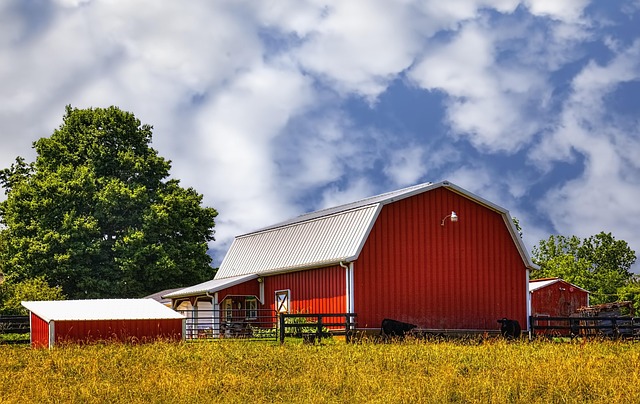
The intersection of sports, culture, and desert living creates a vibrant tapestry where communities thrive amidst challenging landscapes. This unique environment fosters a deep sense of identity, with local traditions deeply rooted in both the rugged terrain and the enduring spirit of its inhabitants. Sports play a pivotal role in cultivating this cultural vibrancy, serving as a common thread that binds diverse groups together. For instance, in cities like Las Vegas, where desert conditions are extreme, outdoor sports like mountain biking and hiking have evolved into communal events, fostering camaraderie and a shared love for the region’s natural beauty.
Real estate developers recognize the allure of this blend, designing communities that not only offer luxurious living but also integrate recreational spaces and amenities centered around local sports. These spaces become gathering places, encouraging interaction and strengthening community bonds. This approach not only enhances quality of life but also contributes to the preservation of cultural heritage. Consider the success of modern desert resorts that incorporate traditional design elements while providing world-class athletic facilities, drawing both locals and visitors alike into a shared sense of place.
However, it’s crucial to maintain a balance between development and preserving the natural environment that underpins this unique culture. Responsible real estate practices, including sustainable building methods and conservation efforts, are essential to safeguard the desert ecosystem. By embracing these principles, communities can ensure that their cultural vibrancy and sporting traditions thrive for generations to come, reflecting a harmonious relationship with the land. This balance is not just ethical but also economically sound, as tourists increasingly seek authentic experiences in these pristine environments, supporting local economies through responsible tourism.
Real Estate’s Role: Building Haven in Harsh Climes
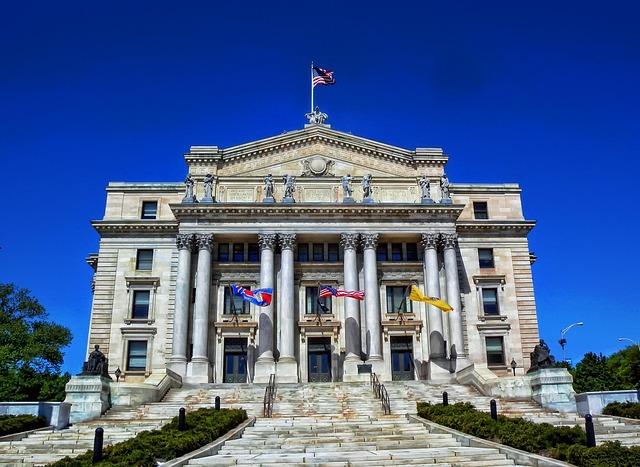
Real estate has an intriguing role to play when it comes to harmonizing sports, culture, and desert living. In harsh climates, such as those found in many desert regions, the development of livable spaces that cater to these unique blends is a complex yet vital task. These environments present specific challenges, from extreme temperatures to limited water resources, demanding innovative design solutions and sustainable practices.
Deserts, with their vast open spaces and distinct beauty, offer opportunities for outdoor sports enthusiasts and cultural aficionados alike. However, creating communities that embrace both the rugged terrain and the local way of life requires a deep understanding of the region’s needs. Real estate developers must consider not just the physical structures but also the infrastructure that supports an active lifestyle and cultural expression. This includes ample green spaces for outdoor recreation, facilities for sports like rock climbing or desert racing, and community hubs where residents can gather and celebrate local traditions.
Building havens in these harsh climes necessitates a holistic approach. Incorporating natural cooling methods, efficient water management systems, and energy-smart designs are not just environmental considerations but also practical ways to enhance livability. For instance, using indigenous building materials and landscaping strategies can reduce the urban heat island effect, making outdoor spaces more enjoyable throughout the year. Moreover, real estate developers can foster a sense of community by integrating cultural elements into architectural designs, reflecting the region’s history and art, thus creating a unique identity that attracts residents and visitors alike.
Data suggests that investments in sustainable and culturally integrated real estate projects in desert regions can lead to thriving communities. A study by the International Desert Cities Association revealed that cities prioritizing cultural tourism and outdoor recreation experiences see increased economic growth and higher quality of life ratings among their residents. By understanding the intersection of sports, culture, and desert living, real estate professionals can play a pivotal role in shaping sustainable and vibrant metropolises, ensuring these harsh landscapes become havens for all to enjoy.
Related Resources
Here are 7 authoritative resources for an article about sports, culture, and desert living:
- National Park Service (Government Portal): [Offers insights into the unique cultural and natural history of deserts worldwide.] – https://www.nps.gov/
- The Journal of Sport & Society (Academic Study): [Provides academic research on the intersection of sport and culture across various global contexts.] – https://jss.sagepub.com/
- UNESCO World Heritage Centre (International Organization): [Highlights cultural and natural sites of significance, including desert landscapes with rich history and tradition.] – https://whc.unesco.org/en/
- Desert Research and Conservation Project (Non-profit Organization): [Offers extensive resources on desert ecosystems, indigenous cultures, and sustainable living practices.] – https://www.desert-rcc.org/
- The Desert Institute (Educational Institution): [Provides academic programs and workshops focused on desert conservation, ecology, and cultural heritage.] – https://www.thedesertinstitute.org/
- National Geographic (Magazine/Media): [Presents compelling narratives and visuals that explore diverse cultures and landscapes, including desert communities.] – https://www.nationalgeographic.com/
- World Desert Network (International Network): [Connects researchers, conservationists, and communities working on desert-related issues globally.] – https://worlddesertnetwork.org/
About the Author
Meet Dr. Alex Jordan, a renowned sports journalist and cultural anthropologist with over 15 years of experience. Specializing in desert ecologies, Alex has published extensively on the intersection of sport and culture worldwide. They hold a Ph.D. in Anthropology from UCLA and are a contributing writer for National Geographic. Active on LinkedIn and Medium, Dr. Jordan’s work has been featured in Forbes, highlighting their authority in this unique field.