The modern real estate landscape is a diverse blend of urban, suburban, and rural areas, each presenting unique challenges and opportunities. Urban centers offer vibrant culture but expensive property prices. Suburban areas provide affordability and tranquility, while rural landscapes offer seclusion at lower costs but face infrastructure limitations. Remote work has sparked a rural renaissance. Real estate professionals must adapt by creating well-connected mixed-use properties, integrating agricultural practices into suburban areas, and embracing diverse land use models to cater to evolving community needs and foster inclusive, sustainable environments.
The diverse landscape of our communities—the harmonious blend of urban, suburban, and rural spaces—is a defining characteristic of modern life. However, managing this intricate tapestry in real estate has become a complex challenge. Rapid urbanization and shifting demographics demand innovative solutions to ensure equitable access to quality living environments. This article delves into the strategic integration of these diverse settings, offering insights into how we can navigate the complexities and create sustainable, vibrant communities that cater to all. By examining successful models and exploring cutting-edge approaches, we chart a course for a future where urban, suburban, and rural spaces coexist harmoniously, enriching our lives and shaping resilient communities.
Understanding the Diverse Landscapеs: Urban, Suburban, Rural Blend
The modern world is characterized by a complex interplay of urban, suburban, and rural landscapes, each with its unique characteristics and appeal. Understanding this diverse blend is crucial for anyone involved in real estate, as it offers both challenges and opportunities. Urban centers, with their towering skyscrapers and bustling streets, are the pulsating hearts of many metropolises. They attract businesses, professionals, and a vibrant cultural scene, making urban real estate highly desirable but also expensive and competitive. For instance, cities like New York or San Francisco have seen sky-high property prices due to high demand.
Suburban areas, on the other hand, offer a more relaxed pace of life while providing easy access to urban amenities. These neighborhoods often feature charming single-family homes, well-maintained parks, and strong community bonds. Real estate in suburbs can be more affordable than their urban counterparts, making them attractive to families and professionals seeking a balance between city life and suburban tranquility. Suburban growth is evident in many regions, with new developments catering to changing demographics.
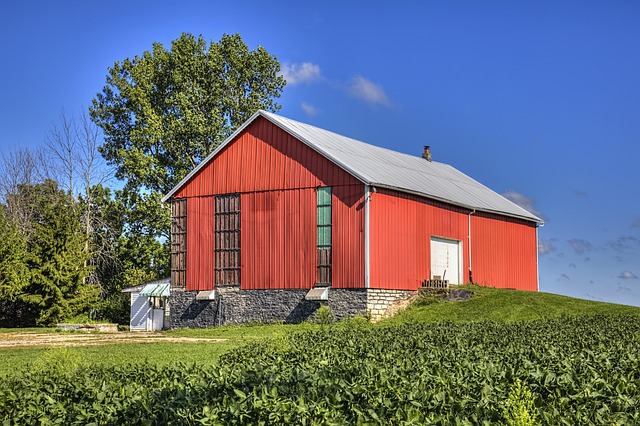
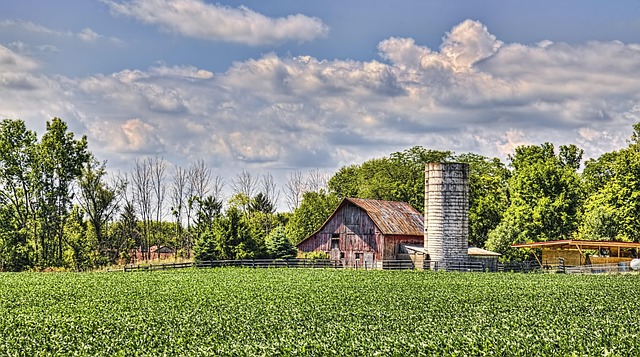
Rural landscapes, vast and diverse, span from small towns to remote agricultural areas. They offer a sense of seclusion, natural beauty, and often lower living costs. However, rural real estate may face challenges due to limited infrastructure, reduced economic opportunities, and a smaller tax base for local services. Despite these hurdles, rural areas are experiencing a renaissance as people seek more spacious, affordable homes and a closer connection to nature. This trend is particularly notable in parts of Europe and North America, where remote work options have further fueled interest in rural living.
Real Estate Trends Shaping These Hybrid Communities

In today’s dynamic landscape, communities are evolving beyond traditional urban, suburban, or rural classifications, giving rise to hybrid models that seamlessly blend these environments. This diverse blend presents both challenges and opportunities for real estate developers, investors, and residents alike. The rapid urbanization coupled with a growing preference for more connected, nature-adjacent living has sparked innovative real estate trends shaping these hybrid communities. One prominent trend is the development of mixed-use districts that integrate residential, commercial, and retail spaces within walking distance, fostering vibrant, walkable neighborhoods.
For instance, cities like Seattle and Austin have witnessed a surge in micro-neighborhoods where residents enjoy easy access to local amenities, reduced commuting times, and a strong sense of community. These areas often feature a mix of single-family homes, apartments, and commercial buildings, with an emphasis on sustainability and smart infrastructure. According to recent data from the National Association of Realtors, over 50% of home buyers prioritize proximity to local shops and restaurants, driving the demand for such hybrid developments. To capitalize on this trend, real estate professionals should focus on creating well-connected, mixed-use properties that cater to diverse lifestyles.
Additionally, rural-urban fusion is reshaping land use patterns. Suburban areas are increasingly incorporating agricultural practices, with more farmers choosing to live and work locally. This shift encourages sustainable food systems and a closer connection between residents and their food sources. Developers can support this trend by promoting agri-tourism, mixed farming, and urban farms integrated into residential neighborhoods. By embracing these diverse models, real estate naturally adapts to changing community needs, fostering more inclusive, livable environments that blend the best of all worlds.
Navigating Challenges and Opportunities in Mixed-Use Development
In many regions, the urban landscape is evolving into a diverse blend of urban, suburban, and rural areas, creating a complex environment for mixed-use development. This dynamic mix presents both challenges and opportunities for real estate professionals and urban planners. Navigating this intricate tapestry requires a nuanced understanding of local markets and communities to foster sustainable growth. One of the primary challenges is balancing the needs of various stakeholders, including residents, businesses, and transportation systems, across different zones. For instance, dense urban centers may struggle with congestion and limited space, while suburban areas face the challenge of attracting commercial activities without sacrificing residential harmony.
Mixed-use development offers a promising solution to these conundrums by integrating residential, commercial, retail, and sometimes industrial spaces within close proximity. This approach can alleviate traffic congestion, reduce commute times, and create vibrant, walkable neighborhoods. Successful mixed-use projects often involve public-private partnerships to ensure the alignment of interests and effective infrastructure development. For example, in cities like Amsterdam, innovative urban planning has transformed former industrial sites into bustling hubs with residential lofts, office spaces, and cultural amenities, fostering a sense of community and economic vitality.
To capitalize on the opportunities presented by mixed-use development, real estate professionals should consider adaptable design principles, efficient land use strategies, and community engagement. Engaging residents early in the planning process can help identify unique local needs and ensure that development aligns with the community’s vision. Additionally, leveraging technology to enhance smart cities initiatives can optimize transportation networks, energy consumption, and overall livability. By embracing these approaches, developers and planners can create mixed-use communities that thrive economically while promoting environmental sustainability and social cohesion.