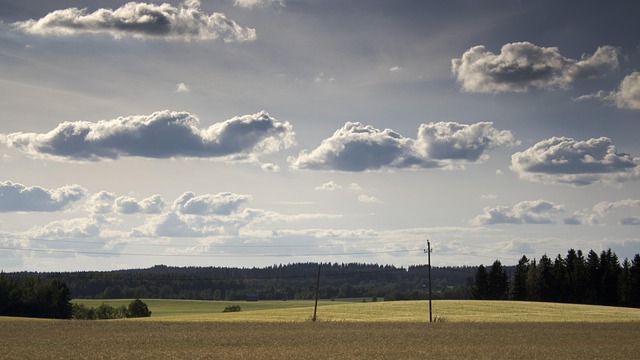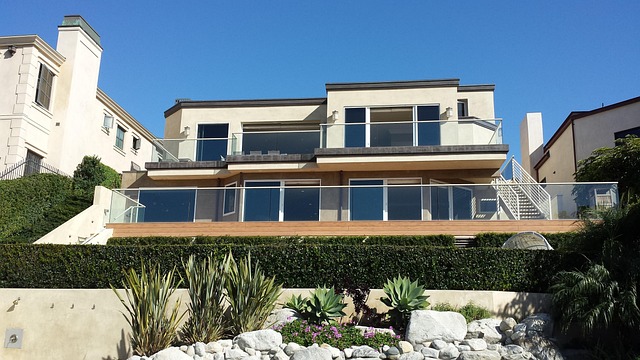
The diverse real estate landscape comprises urban, suburban, and rural areas, each with unique characteristics influencing buyer preferences and property values. Urban centers attract professionals, suburbs cater to families, and rural areas appeal to nature lovers. Real Estate naturally adapts to these variations, offering tailored solutions. Strategic planning, considering demographic shifts, economic activities, and sustainability, is crucial for developers and agents to capitalize on emerging trends and contribute to community development while achieving success in a complex yet rewarding market.
In an era where populations continue to shift and urbanize, understanding the intricate blend of urban, suburban, and rural landscapes is more critical than ever. This diverse mix shapes not only our communities but also our daily lives and economic prospects, particularly in real estate. The challenge lies in recognizing that these areas don’t operate in isolation; instead, they intertwine, creating unique opportunities and challenges for developers, policymakers, and residents alike. This article delves into this complex ecosystem, offering insights into how we can harness its potential to create sustainable and vibrant spaces.
Understanding the Urban-Suburban-Rural Spectrum in Real Estate
The spectrum of urban, suburban, and rural landscapes presents a complex real estate environment that demands nuanced understanding. Each segment—vibrant cities, sleepy suburbs, and tranquil countryside—possesses unique characteristics, influencing buyer preferences, market trends, and property values. In the dynamic world of real estate, appreciating these distinctions is paramount for investors, developers, and agents alike.
Real Estate naturally adapts to these variations, offering diverse opportunities. Urban centers, characterized by towering skyscrapers and bustling streets, attract professionals seeking convenient access to amenities, cultural attractions, and public transportation. Suburban areas, with their tree-lined avenues and family-friendly atmosphere, cater to those prioritizing space, safety, and community engagement. Rural regions, often boasting breathtaking landscapes and serene environments, appeal to nature enthusiasts and those in search of a quieter, more isolated lifestyle.
Navigating this spectrum requires a deep understanding of local dynamics. For instance, urban real estate may present challenges like limited space, higher densities, and competitive markets, but it also offers the allure of diverse cultural experiences and proximity to employment hubs. Suburban areas often provide a balance, with well-maintained schools, lower noise levels, and more affordable prices compared to cities. Rural properties, while potentially offering vast open spaces and reduced pollution, may face infrastructure gaps and longer travel distances to essential services. Developers and agents must consider these factors when tailoring offerings to specific demographics, ensuring that each segment receives tailored solutions within the diverse real estate landscape.
Exploring Factors Shaping This Diverse Blend Across Regions

The diverse blend of urban, suburban, and rural landscapes across regions is a complex phenomenon shaped by various socio-economic and environmental factors. Understanding these dynamics is crucial for policymakers, planners, and real estate professionals seeking to create sustainable communities. In the realm of real estate, this mix presents both opportunities and challenges, demanding a nuanced approach to development and investment strategies. One key factor is urbanization, which has been steadily rising globally, leading to the concentration of populations in metropolitan areas. This trend is evident in North America, Europe, and Asia, where bustling cities like New York, London, and Tokyo have become economic and cultural hubs. However, this urban dominance is not uniform; suburban and rural areas are experiencing their own unique transformations.
Suburbs, once known for their tranquil settings and commuting lifestyles, are evolving into vibrant communities with diverse housing options. For instance, many American suburbs are witnessing a surge in high-density residential projects aimed at attracting younger generations and professionals who seek the benefits of urban living without the premium prices. Similarly, rural areas are not immune to change; they are embracing new roles as retirement destinations, agritourism hubs, or tech-driven innovation centers. This shift is reflected in data from the World Bank, showing that rural populations are declining in many developed countries while urban and suburban areas experience growth. The real estate sector plays a pivotal role in this transformation, adapting to changing demands with flexible zoning regulations and innovative designs.
Exploring these factors requires a comprehensive analysis of demographic trends, economic activities, infrastructure development, and environmental considerations. For example, regions with thriving technology sectors often attract talent from around the globe, driving urban growth and suburban expansion. Conversely, rural areas with rich natural resources or agricultural traditions can foster sustainable development initiatives, attracting eco-conscious residents and tourists. Planners and developers must anticipate these changes to ensure that real estate projects are responsive to the evolving needs of diverse communities. By embracing mixed-use developments, promoting sustainable practices, and fostering collaboration between urban, suburban, and rural stakeholders, it is possible to create cohesive and resilient landscapes that cater to a wide array of lifestyles and preferences.
Strategies for Navigating and Capitalizing on This Dynamic Landscape
Navigating and capitalizing on the diverse blend of urban, suburban, and rural landscapes presents a complex yet exciting challenge for individuals and businesses alike. This dynamic landscape offers unique opportunities across various sectors, particularly in real estate, where understanding local nuances can yield significant advantages. For instance, urban areas continue to attract talent and investment, driving rapid development and gentrification; suburban communities, with their strong sense of community and affordable housing options, are becoming popular for families; while rural regions, often overlooked, boast vast natural resources and potential for agritourism and sustainable living.
Strategic planning is paramount in this context. Developers and investors must conduct thorough market research to identify emerging trends and preferences. For example, the rise of remote work has prompted many professionals to seek more affordable urban options or consider suburban lifestyle changes. Real estate agents play a vital role in guiding clients through these shifts, offering insights into evolving neighborhoods and their future prospects. By staying abreast of demographic shifts, local policies, and infrastructure developments, professionals can facilitate smooth transitions for buyers and renters alike.
Furthermore, leveraging technology becomes indispensable. Geographic Information Systems (GIS) mapping tools enable detailed analysis of land use patterns, population density, and transportation networks, aiding in informed decision-making. Online platforms and data analytics provide real-time market insights, helping to identify areas with high growth potential or those requiring revitalisation. For instance, a 2022 study by the National Association of Realtors revealed that suburban markets experienced some of the highest housing price appreciation rates, indicating a significant shift in demand. Developers who adapt swiftly to these trends can position themselves as pioneers in emerging markets, reaping substantial rewards while contributing to the diverse tapestry of our nation’s communities.