Real estate naturally plays a pivotal role in integrating diverse communities and catering to varied lifestyles. Urban areas attract young professionals with high-value properties but limited affordability; suburbs offer a balanced lifestyle; rural settings provide lower costs and strong community ties. Developers must adapt strategies: mixed-use cities, smart growth suburbs, niche options like agritourism. Understanding demographic shifts ensures inclusive design, walkability, and cultural events fostering mutual respect among unique contributions. Data shows stronger social cohesion in diverse neighborhoods with mixed-income housing.
The modern world is witnessing a profound shift in the way we perceive and interact with our living spaces. The traditional distinctions between urban, suburban, and rural areas are blurring, giving rise to diverse, mixed communities that defy easy categorization. This intricate blend has significant implications for real estate naturally, as developers, planners, and residents alike grapple with the challenges and opportunities presented by this evolving landscape. Understanding and navigating these changes is crucial for creating sustainable, inclusive, and vibrant communities that meet the needs of a diverse population. In this article, we delve into the complexities of this trend, exploring its root causes and proposing innovative strategies to harness its potential for positive urban transformation.
Understanding Urban, Suburban, Rural Blend in Real Estate
The modern real estate landscape is defined by a diverse blend of urban, suburban, and rural lifestyles, each offering unique advantages and considerations for buyers, sellers, and developers alike. Understanding this intricate interplay is crucial for navigating today’s market effectively. Urban areas, with their vibrant energy and dense populations, present a distinct set of challenges and opportunities in real estate. High property values, often driven by strong local economies and convenient amenities, make urban living appealing but also accessible only to those who can afford it. Suburban communities, on the other hand, provide a more balanced lifestyle, offering affordable housing options while still retaining access to city conveniences through proximity or well-connected transportation networks.
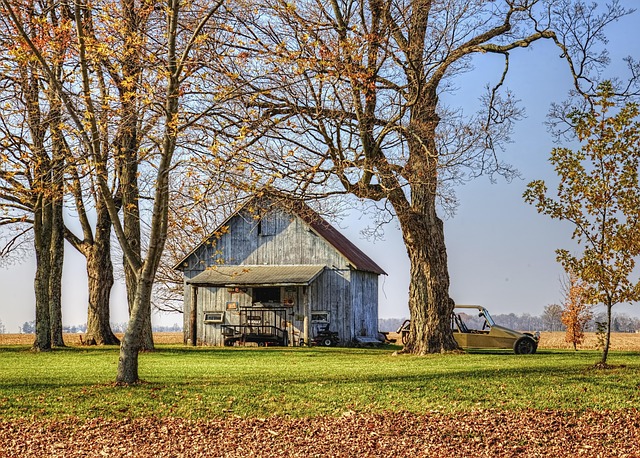
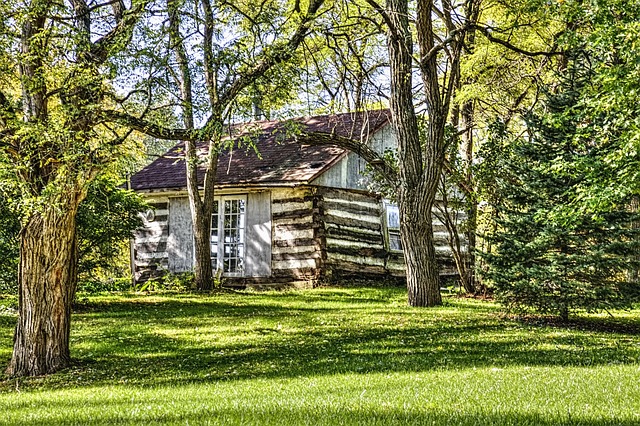
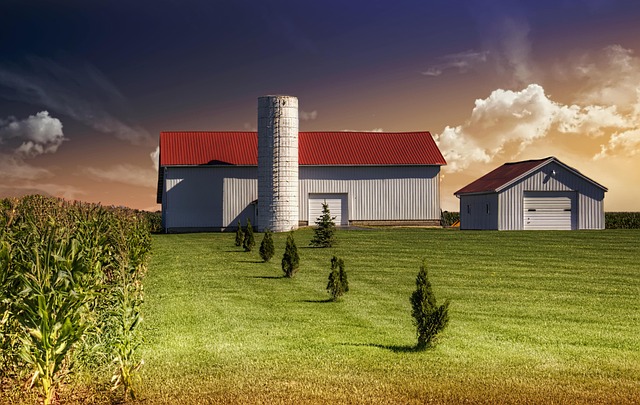
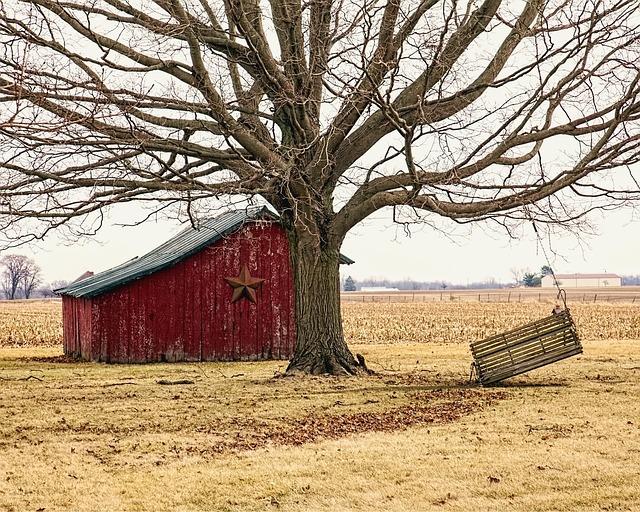
Rural settings represent a vastly different real estate scenario, characterized by expansive landscapes and smaller populations. These areas often boast lower property costs, peaceful environments, and strong community ties, making them attractive for those seeking a quieter lifestyle or looking to escape the hustle and bustle of city living. However, rural properties may require more maintenance due to reduced access to local resources and services. The successful integration of these diverse settings into a comprehensive real estate strategy demands a nuanced approach.
Experts recommend that developers and investors conduct thorough market analyses, considering not just demographics but also the unique needs and preferences of each region’s inhabitants. For instance, in densely populated urban centers, focusing on mixed-use developments that blend residential, commercial, and recreational spaces can cater to the diverse lifestyles of city dwellers. Conversely, suburban areas might benefit from smart growth strategies, such as revitalizing main streets or encouraging sustainable transportation options, while rural regions could see opportunities in agritourism or the development of rural co-working spaces, fostering a sense of community while appealing to remote workers. By embracing this blend and understanding its implications, real estate professionals can create sustainable, inclusive, and desirable living environments tailored to diverse preferences and lifestyles.
Analyzing Demographics: People and Places in Transition
The modern landscape of urban, suburban, and rural communities is characterized by an evolving demographic mosaic, presenting both challenges and opportunities for policymakers, developers, and real estate professionals. This dynamic blend has led to a significant shift in population distribution, as people’s choices and lifestyles continue to change at an unprecedented pace. Analyzing these trends offers valuable insights into the changing face of our nation and provides a roadmap for strategic planning.
Demographic analysis reveals that urban areas are experiencing a surge in populations, with young professionals and families seeking vibrant city centers. According to recent data, metropolitan regions have witnessed a 10% growth in residents over the past decade, primarily due to economic opportunities and cultural attractions. Conversely, rural communities, often characterized by agricultural or natural settings, are facing population decline, with an aging demographic and limited job prospects. In contrast, suburban areas have shown resilience, attracting families and retirees who seek a balance between urban amenities and quieter surroundings. This transition is evident in the rising demand for well-designed suburban housing, emphasizing modern amenities and efficient layouts.
Real estate naturally plays a pivotal role in this narrative. Developers are increasingly recognizing the potential of revitalizing rural areas by introducing mixed-use projects that blend residential, commercial, and recreational spaces. Such approaches can foster community engagement and attract younger generations looking for unique, sustainable living environments. Conversely, urban real estate professionals must adapt to changing consumer preferences, focusing on creating inclusive spaces that cater to diverse lifestyles. This might involve rethinking traditional housing models and incorporating innovative designs that promote walkability, accessibility, and a strong sense of community. By understanding these demographic shifts, stakeholders can make informed decisions, ensuring that the built environment keeps pace with societal changes and meets the evolving needs of its inhabitants.
Strategies for Integrating Diverse Communities in Real Estate Development
In today’s diverse and interconnected world, real estate development must embrace the richness of various communities to create inclusive and thriving spaces. The blend of urban, suburban, and rural environments presents both challenges and opportunities in integrating these distinct communities. This requires a strategic approach that goes beyond mere physical design; it demands an understanding of cultural nuances, socio-economic factors, and historical contexts. For instance, revitalizing urban areas often involves collaborating with local artists and community leaders to ensure new developments align with the neighborhood’s identity, fostering a sense of ownership among residents.
Successful integration strategies can be facilitated through inclusive planning processes that engage all stakeholders, from property developers and architects to community organizations and individual residents. This collaborative approach ensures that the final product meets the needs and aspirations of everyone involved. For example, mixed-use developments that combine residential, commercial, and recreational spaces cater to diverse demographics, promoting walkability and reducing urban sprawl. Moreover, incorporating green spaces and public art can create common grounds that transcend socio-economic boundaries, encouraging interaction and understanding among residents from various backgrounds.
Data supports the need for such inclusive practices. A recent study by the Urban Institute revealed that diverse neighborhoods with mixed-income housing exhibit stronger social cohesion and improved access to resources, ultimately enhancing community resilience. Real estate developers can capitalize on these findings by adopting inclusive design principles, offering affordable housing options, and promoting cultural events and amenities that celebrate local diversity. Ultimately, successful integration is not merely about coexistence but fostering mutual respect, understanding, and appreciation for the unique contributions of each community, ensuring a vibrant future for all.