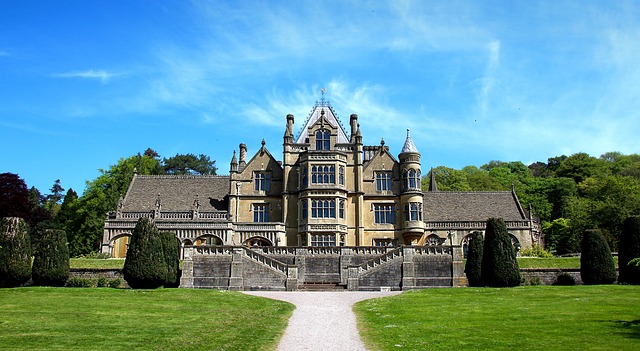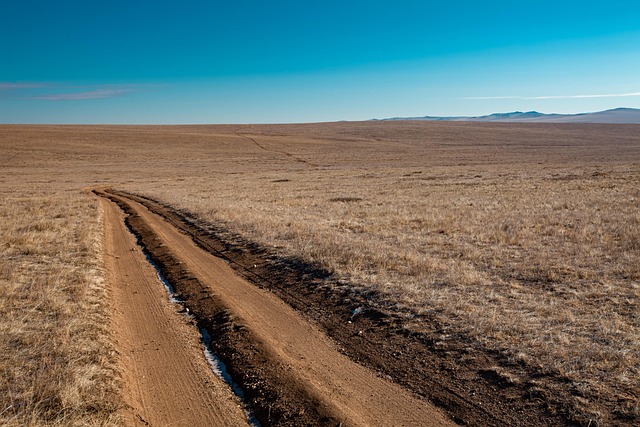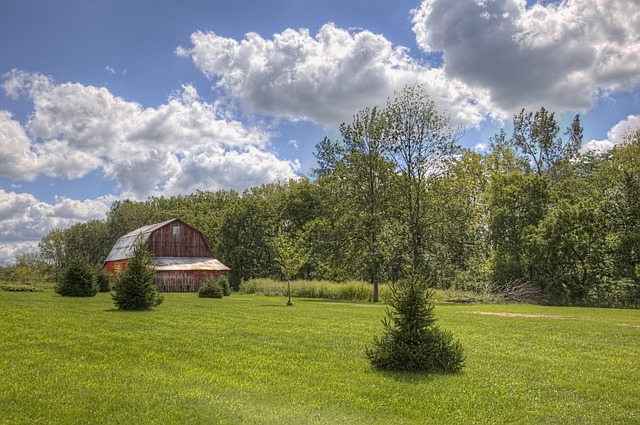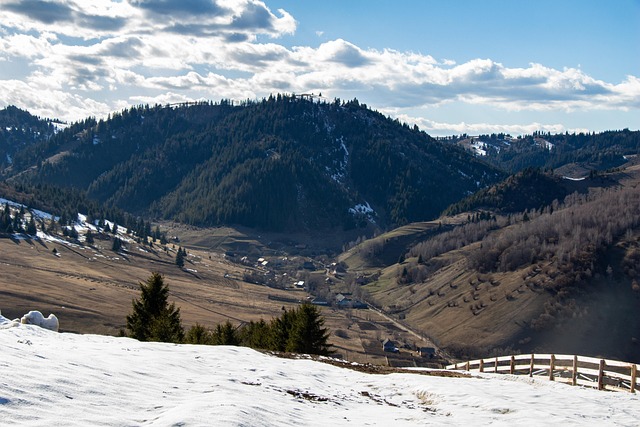
The real estate market evolves with a diverse blend of urban, suburban, and rural zones, catering to varied buyer preferences. Mixed-use projects integrate residential, commercial, and recreational spaces, offering walkable communities. Future urban development focuses on seamless integration of these areas for sustainability, community, and reduced environmental impact.
In today’s evolving landscape, the traditional distinctions between urban, suburban, and rural areas are blurring. This dynamic blend shapes real estate markets, creating unique opportunities and challenges. Our article explores the intricate relationships between these sectors, focusing on their distinct housing trends and the emergence of integrated spaces. By understanding these dynamics, investors, developers, and residents alike can navigate the diverse market landscape and capitalize on its potential. Discover how the future of urban living is being redefined by this multifaceted blend.
Unveiling Urban-Suburban-Rural Dynamics in Real Estate
The dynamic interplay between urban, suburban, and rural areas is reshaping the real estate landscape. In many regions, this blend creates a unique and diverse market where properties offer a mix of vibrant city living, quaint suburban comfort, and serene rural settings. Real Estate professionals are increasingly recognizing this trend, catering to buyers seeking versatile homes that accommodate various lifestyles.
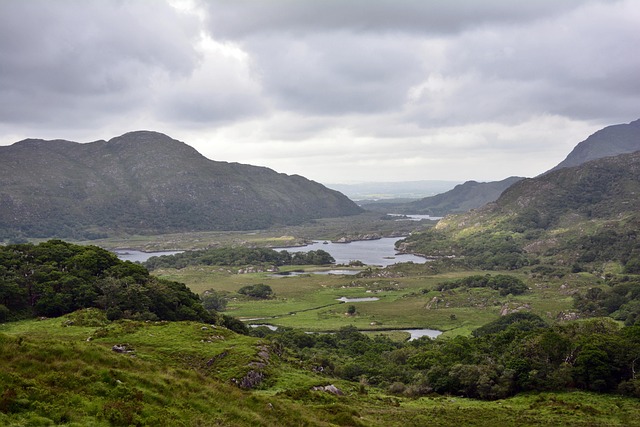
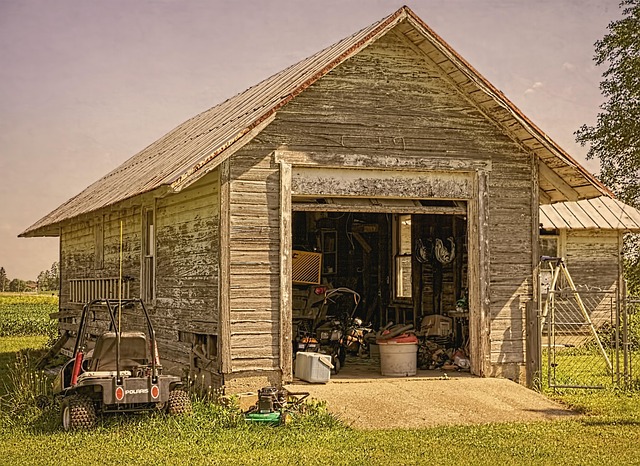
Urban centers continue to attract with their bustling atmospheres, access to cultural amenities, and robust job markets. Suburban neighborhoods provide a more relaxed pace, excellent schools, and a sense of community, while rural areas offer breathtaking landscapes, spacious living, and an escape from urban hustle. This intricate web of preferences and opportunities is driving innovative real estate strategies, ensuring that properties across these sectors appeal to a wide range of buyers.
Navigating Diverse Communities: Housing Trends
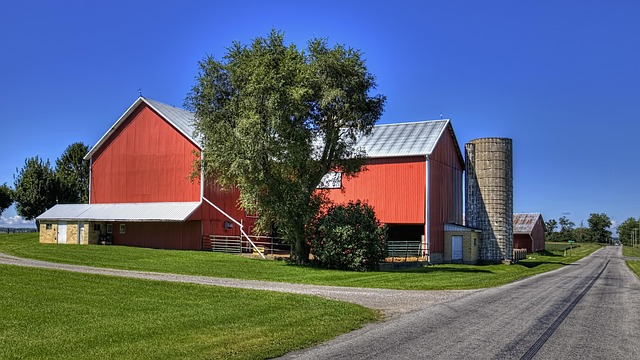
In today’s dynamic urban landscape, navigating diverse communities has become a key aspect of real estate trends. As cities evolve and expand into suburban and rural areas, developers and investors are embracing mixed-use projects that seamlessly blend residential, commercial, and recreational spaces. This integrated approach caters to the growing demand for walkable, connected communities, fostering social interactions and cultural exchanges among residents from various backgrounds.
Housing trends in these diverse settings reflect a similar trend towards adaptability and inclusivity. In urban centers, high-rise apartments with shared amenities cater to young professionals and families alike. Suburban areas see a surge in smart homes and eco-friendly developments, appealing to tech-savvy individuals and those seeking more green spaces. Rural communities, meanwhile, are experiencing the rise of co-living spaces and revitalized historic buildings, attracting digital nomads and retirees looking for quieter, more intimate environments. These varied housing options not only cater to diverse preferences but also contribute to a richer social fabric by encouraging interaction between different demographics.
Integrating Spaces: The Future of Mixed-Use Areas
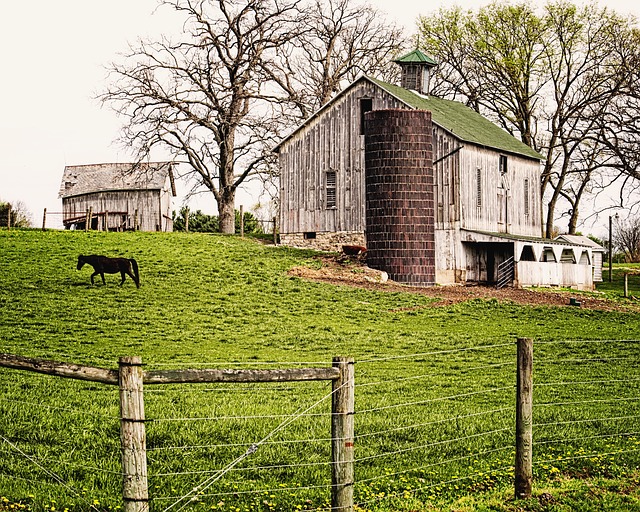
The future of urban development lies in integrating diverse areas, creating a seamless blend of urban, suburban, and rural spaces. Mixed-use real estate is at the forefront of this trend, offering a holistic approach to living and working. By combining residential, commercial, and recreational zones within close proximity, these developments cater to a wide range of needs and preferences. This concept isn’t just about convenience; it’s a strategic move towards sustainable and vibrant communities.
As cities expand and populations grow, the traditional separation of uses is becoming less feasible. Instead, developers are embracing a more holistic design where people can easily access essential amenities without lengthy commutes. This blended approach fosters a sense of community, encourages active lifestyles, and reduces environmental impact by minimizing travel. With careful planning and execution, mixed-use areas have the potential to redefine urban landscapes, creating a dynamic and interconnected fabric that enhances the quality of life for residents.