Real estate markets are shaped by urban, suburban, and rural classifications, each with distinct characteristics influencing property values and buyer preferences. Urban areas attract with amenities and economic opportunities, suburbs offer convenience and tranquility, while rurals provide open spaces and nature connections. Developers adapt strategies accordingly: mixed-use projects in cities, specialized developments in suburbs and rural regions. Successful real estate professionals tailor approaches to these unique landscapes, focusing on integration strategies for inclusive growth and community cohesion. Key insights include engaging local stakeholders, promoting equitable access to amenities, and encouraging diverse transportation options. Real estate naturally plays a pivotal role in fostering inclusive ecosystems that thrive on diversity.
In today’s dynamic world, understanding the intricate blend of urban, suburban, and rural landscapes is more than a passing trend; it’s a crucial factor shaping our communities, economies, and way of life. The real estate sector, naturally, plays a pivotal role in this transformation. As cities expand, suburbs grow, and rural areas evolve, we face the challenge of creating sustainable, integrated environments that cater to diverse needs. This article delves into exploring strategies that embrace this blend, offering innovative solutions to navigate the complexities and unlock opportunities for thriving, interconnected communities.
Understanding the Urban-Suburban-Rural Spectrum in Real Estate
The concept of urban, suburban, and rural areas is a spectrum that shapes our understanding of real estate across different regions. This classification goes beyond mere geographical boundaries; it defines unique communities with distinct characteristics that influence property values and market dynamics. In today’s interconnected world, the lines between these sectors are increasingly blurred, yet a nuanced grasp of this spectrum remains vital for investors, developers, and residents alike in navigating the real estate landscape.
Real Estate naturally evolves to reflect the preferences and needs of its inhabitants. Urban centers, characterized by dense populations and vibrant economies, offer easy access to amenities and employment opportunities. Suburban areas, on the other hand, provide a balance between urban convenience and a more relaxed pace of life. Rural regions, with their open spaces and smaller communities, appeal to those seeking seclusion and a stronger connection to nature. Understanding these variations is crucial for real estate professionals when marketing properties or advising clients, as it enables them to tailor strategies to specific markets. For instance, a family looking to relocate might prioritize schools in suburban areas over the cultural vibrancy of urban centers, each with its own set of driving factors and associated property values.
To illustrate this spectrum’s impact on real estate, consider a study comparing property prices across various zones within a country. Data may reveal that while prime urban locations command premium rates, suburban neighborhoods with excellent school districts attract substantial investments as well. Rural properties, though potentially offering affordable options, might exhibit varying demand based on local industry and infrastructure. This analysis underscores the importance of adapting real estate practices to suit each sector’s unique needs. Developers can strategize mixed-use projects in urban areas, focusing on sustainable designs that cater to dense populations. In suburban and rural regions, opportunities may lie in specialized developments, such as retirement communities or agricultural hubs, respectively.
Analyzing Demographic and Economic Factors Across Landscapes
The blend of urban, suburban, and rural landscapes presents a complex yet intriguing demographic and economic mosaic. Understanding this intricate tapestry requires a nuanced approach, especially when analyzing real estate trends. Each setting offers distinct characteristics that influence market dynamics, with urban centers typically driving innovation and attracting diverse populations, while suburbs cater to families seeking a quieter pace, and rural areas offering solitude and specialized economies.
Demographically, cities have long been magnets for young professionals and immigrants, fueling dense population densities and vibrant cultural exchanges. According to recent studies, metropolitan areas have experienced steady growth in tech and service sector jobs, luring talent from across the globe. This urban influx has led to a demand for housing, driving up real estate values. For instance, tech hubs like Silicon Valley have seen property prices surge, making them some of the most expensive markets globally. Conversely, suburbs often witness a different dynamic, with families drawn to affordable housing, quality schools, and a strong sense of community. This shift is evident in many regions where suburban growth outpaces urban expansion, challenging traditional real estate strategies.
Economic factors further complicate this landscape. Urban economies thrive on diverse industries, from finance to creative sectors, fostering high-income households and robust consumer markets. Real estate developers naturally target these areas for commercial and residential projects. However, rural communities, often reliant on agriculture or specialized industries, face unique challenges. Depopulation and an aging demographic can impact local real estate markets, requiring tailored strategies to attract new investments. For example, agritourism has emerged as a sustainable solution in some rural regions, revitalizing historic farms and offering visitors a chance to experience a bygone way of life.
Navigating this diverse market demands a comprehensive understanding of each region’s unique attributes. Real estate professionals must adapt their strategies to cater to these varying landscapes. By recognizing the distinct demographic and economic drivers, agents can provide more tailored advice to clients, ensuring successful transactions in any setting—urban, suburban, or rural.
Strategies for Integrating Diverse Communities and Real Estate Markets
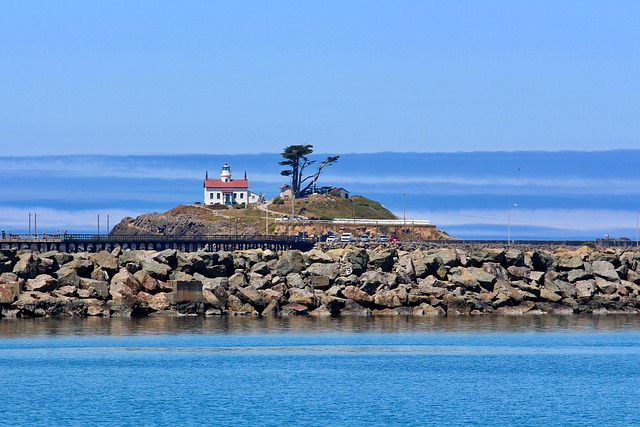
In today’s interconnected world, urban landscapes are evolving into vibrant blends of diverse communities and settings—a harmonious fusion of city centers, suburbs, and rural areas. This integrated approach presents both challenges and opportunities for real estate markets, requiring strategic adaptations to meet the needs of varying demographics. Effective integration strategies are essential to foster inclusive growth, enhance community cohesion, and optimize the potential of these diverse environments.
Real estate naturally plays a pivotal role in facilitating this integration. Developers and investors can contribute to building inclusive neighborhoods by embracing mixed-use developments that blend residential, commercial, and recreational spaces. For instance, revitalizing urban cores with affordable housing options alongside cultural hubs creates an environment attracting individuals from various socio-economic backgrounds. Similarly, suburban and rural areas can benefit from targeted initiatives to attract diverse populations, such as establishing tech hubs or eco-friendly communities tailored to attract young professionals and families alike. Data suggests that these strategies not only drive economic vitality but also contribute to more socially cohesive societies.
Practical insights for implementing successful integration include engaging local stakeholders in the planning process, ensuring equitable access to amenities, and promoting cultural exchanges. For example, community gardens and public art initiatives can foster connections between residents from different walks of life. Additionally, providing transportation options catering to various needs—from bike lanes to efficient public transit—encourages participation across demographics. Ultimately, these strategies aim to create inclusive real estate ecosystems that thrive on diversity, mirroring the rich tapestry of modern urban landscapes.