Sports and cultural events drive community bonding in desert regions, influencing real estate demand with areas near venues seeing higher interest. Integrating traditional architecture and design into urban development celebrates local heritage while meeting modern living needs. Sustainable practices in arid environments are crucial for real estate, focusing on energy-efficient designs and locally sourced materials to reduce costs and foster community engagement through green spaces.
“In the unique landscape of desert living, sports and culture intertwine to create a vibrant community tapestry. This article explores how these elements shape and enrich urban desert spaces. We delve into the impact of sports on fostering cultural connections, from local competitions to international events. Additionally, we examine real estate trends, where developers integrate cultural heritage into designs, offering residents authentic experiences. Further, we discuss adaptive living strategies for arid environments, showcasing innovative ways to make deserts thrive.”
The Impact of Sports on Desert Community Culture
Sports play a pivotal role in fostering community culture within desert living areas. With limited natural resources and often harsh climates, organized sports become a central hub for social interaction and collective identity formation. The local soccer league, for instance, can bring together folks from diverse backgrounds, uniting them under a shared passion. This sense of community extends beyond the playing field, creating networks that support local businesses and real estate developments, as enthusiasts gather to cheer on their teams.
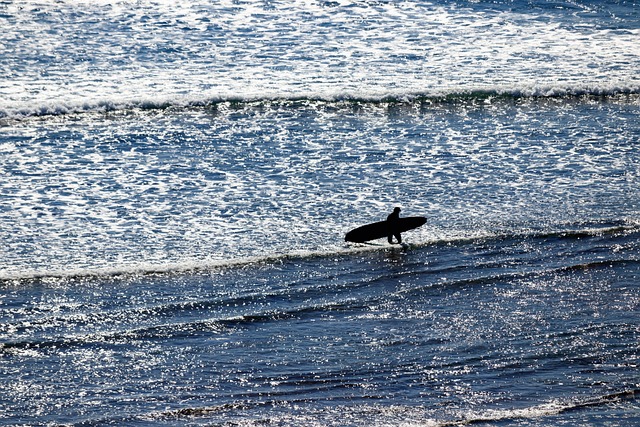
Moreover, desert sports events like off-road racing or sand surfing competitions attract visitors and locals alike, enhancing the cultural vibrancy of the region. These activities not only promote physical fitness but also create a unique sense of place, shaping the identity of the community. The local real estate market often reflects this cultural significance, with areas near popular sports venues experiencing higher demand due to the thriving social atmosphere they cultivate.
Integrating Cultural Heritage into Urban Desert Real Estate
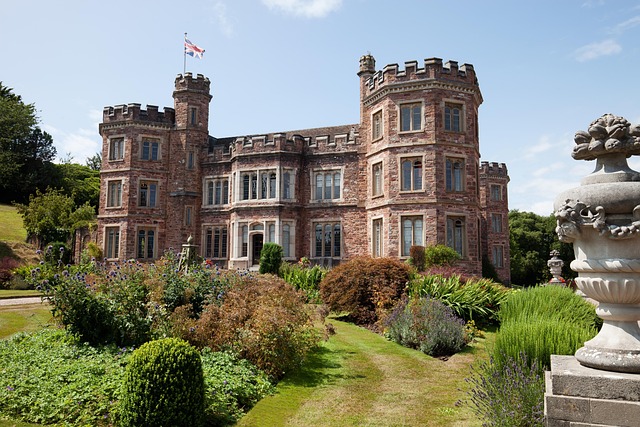
In urban desert landscapes, integrating cultural heritage into real estate development offers a unique opportunity to blend tradition with modern living. Desert cities are not just about expansive terrains and arid beauty; they can also showcase the rich tapestry of local cultures that have thrived in these environments for generations. Incorporating cultural elements like traditional architecture, art, and design not only enhances the aesthetic appeal but also fosters a deeper connection between residents and their surroundings. This approach ensures that the region’s heritage is preserved and celebrated while providing a distinct sense of place.
Real estate developers can collaborate with local communities and cultural experts to identify and incorporate these elements effectively. Whether it’s designing residential complexes inspired by indigenous building styles or creating public spaces that host cultural events, such integration enriches the desert urban experience. It attracts residents who appreciate authenticity and promotes a sense of community among diverse populations. As desert cities grow, preserving their cultural heritage through real estate becomes a powerful tool to create vibrant, inclusive, and distinctive metropolitan areas.
Adapting Lifestyle and Living Spaces in Arid Environments
In arid environments, adapting one’s lifestyle and living spaces is essential for thriving amidst the harsh conditions. This often involves adopting sustainable practices to conserve water and energy, such as incorporating graywater recycling systems in homes designed with natural ventilation. Real Estate developments in these areas must prioritize open-plan layouts that maximize natural light and ventilation, reducing reliance on artificial cooling. Additionally, utilizing locally sourced materials like adobe or stone not only minimizes transportation impacts but also provides better insulation, enhancing comfort while lowering energy costs.
Community engagement is another key aspect of adapting to desert living. Sports play a vital role in fostering social connections and providing recreational outlets under the sun. From organized sports events to casual outdoor games, these activities help residents stay active and build strong communities. Integrating green spaces within urban areas, even small pockets of vegetation, allows for a sense of nature amidst the arid landscape. Such adaptations not only make desert living more comfortable but also contribute to a deeper cultural appreciation for the unique challenges and beauty of arid environments.