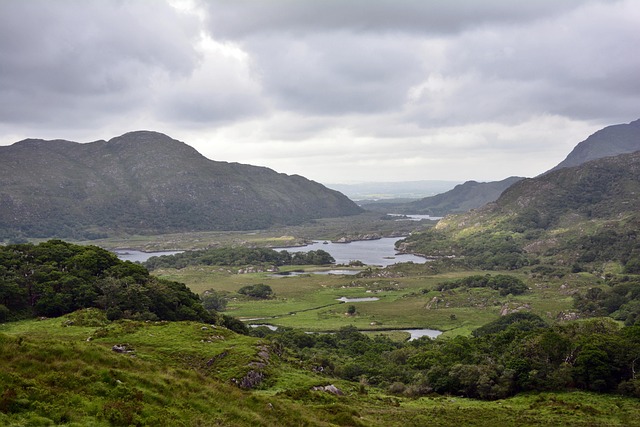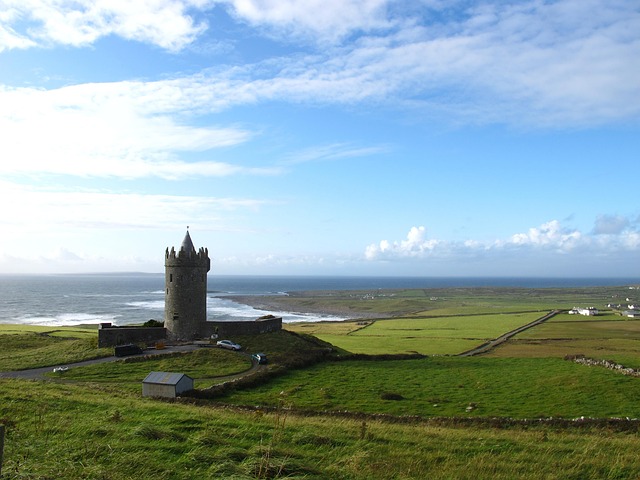
Real Estate naturally adapts to diverse community landscapes—urban, suburban, rural—shaping daily life and decisions for developers, investors, and residents. Urban centers feature high-rises and mixed-use developments, suburbs offer planned communities, and rural areas attract remote workers with agricultural land preservation. Key strategies include integrating green spaces and promoting mixed-use development across all settings to enhance community, accessibility, and environmental sustainability.
The landscape of our communities is evolving, blurring the lines between urban, suburban, and rural living. This diverse blend presents both challenges and opportunities, particularly within the real estate sector. As cities expand and suburban areas transform, understanding this dynamic interplay is crucial for developers, investors, and urban planners aiming to create sustainable, livable spaces. This article delves into the complexities of this trend, offering insights into how these environments intertwine and the implications for future development. By exploring practical strategies, we aim to equip professionals with a comprehensive toolkit to navigate this ever-changing real estate landscape.
Understanding the Diverse Landscape: Urban, Suburban, Rural Blend
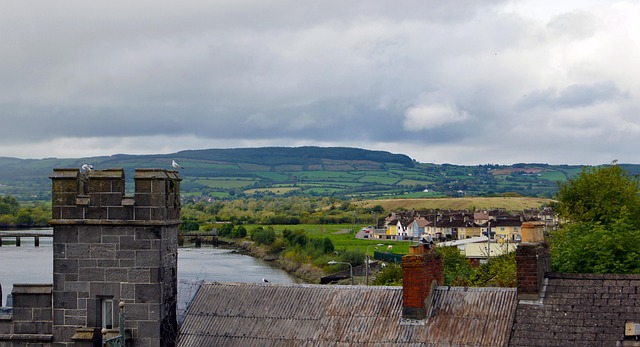
The modern landscape of communities is a vibrant blend of urban, suburban, and rural settings, each with its unique characteristics and appeal. This diverse mix shapes not only our daily lives but also has profound implications for real estate naturally. Understanding these nuances is crucial for developers, investors, and residents alike to make informed decisions. Urban areas, characterized by dense populations and towering skyscrapers, offer a fast-paced lifestyle with easy access to jobs, entertainment, and amenities. Suburban neighborhoods provide a more relaxed pace, surrounded by single-family homes and green spaces, appealing to families seeking a balance between convenience and community.
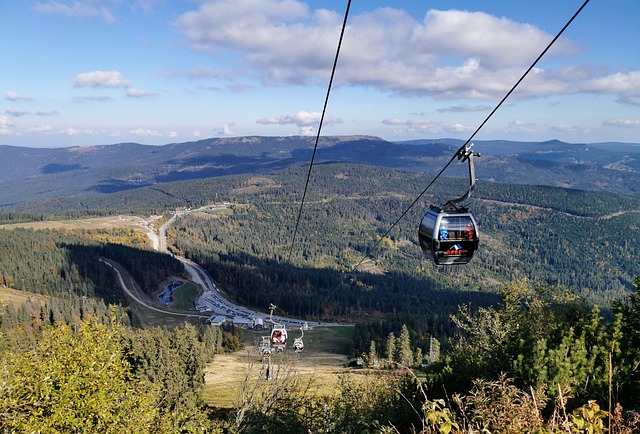
Rural communities, on the other hand, embrace a slower, quieter life connected to the land, ideal for those who value privacy and natural surroundings. This blend has profound effects on real estate trends. In urban centers, high-rise buildings and mixed-use developments cater to dense populations, while suburban expanses see the rise of planned communities and master-planned neighborhoods. Rural areas, often attracting those seeking affordable living, may experience a resurgence in interest due to remote work opportunities and a desire for larger properties.
Experts suggest that navigating this diverse landscape requires a nuanced approach. Developers must consider not only location but also the evolving needs of residents. Adaptive design strategies can cater to changing demographics, ensuring that urban, suburban, and rural spaces remain vibrant and accessible. By embracing these variations, real estate naturally adapts to create sustainable and desirable communities, catering to the unique preferences of each setting’s inhabitants.
Real Estate's Role in Shaping These Ecosystems
The intricate relationship between real estate and community development is evident as we explore the diverse ecosystems of urban, suburban, and rural landscapes. Each environment presents unique challenges and opportunities, shaping how individuals live, work, and interact. Real estate naturally plays a pivotal role in this transformation, influencing everything from economic growth to social dynamics. In urban centers, dense populations require innovative high-rise developments and mixed-use projects that cater to diverse needs, fostering vibrant community hubs. For instance, cities like New York and Singapore have masterfully integrated residential, commercial, and recreational spaces, creating bustling urban oases.
Suburban areas, characterized by more spread-out communities, experience a different dynamic. Real estate developers here often focus on family-oriented neighborhoods with well-designed housing complexes and ample green spaces. As these suburbs grow, careful planning is essential to maintain a balanced lifestyle while ensuring efficient infrastructure development. For example, suburban expansion in many American metropolises has led to the creation of smart communities with advanced technology integration for enhanced connectivity and sustainability.
In contrast, rural landscapes present their own set of considerations. Real estate in these areas often revolves around agricultural land preservation, sustainable farming practices, and eco-friendly housing solutions. As remote work becomes more prevalent, there’s a growing trend of individuals seeking off-grid living or relocating to rural retreats. This shift has led to the development of unique real estate opportunities, such as tiny homes and custom-built eco-resorts, catering to diverse lifestyles while preserving the natural beauty of these regions.
To navigate this diverse real estate landscape, professionals must stay abreast of local regulations, market trends, and community needs. By fostering partnerships between developers, urban planners, and residents, it’s possible to create sustainable ecosystems that thrive over time. This holistic approach ensures that real estate development aligns with the unique character of each environment, ultimately enhancing the quality of life for all inhabitants.
Strategies for Sustainable Coexistence and Growth

In contemporary societies, the traditional separation between urban, suburban, and rural areas is increasingly blurred, creating a diverse and interconnected landscape. This blend presents both challenges and opportunities for sustainable development, particularly in terms of coexistence and growth. As populations continue to shift and urbanize, it’s crucial to implement strategies that embrace this diversity, ensuring environmental, economic, and social sustainability across all settings. Real estate naturally plays a pivotal role in this context, offering both solutions and complexities.
One key strategy involves integrating green spaces and infrastructure throughout these areas. Urban centers can enhance their appeal by incorporating extensive parks, rooftop gardens, and vertical greening initiatives that mitigate the urban heat island effect and improve air quality. Suburban communities can foster a sense of connection to nature with community gardens and green corridors linking residential neighborhoods to rural open spaces. For instance, successful models in several European cities demonstrate how strategic greening can enhance quality of life while reducing carbon footprints. Rural areas, rich in natural resources, can embrace sustainable agriculture and renewable energy projects that contribute to local economies and minimize environmental impacts.
Moreover, mixed-use development is a powerful tool for achieving harmonious coexistence. This approach blends residential, commercial, and recreational spaces within walkable distances, reducing reliance on automobiles and promoting social interaction. Real estate developers can collaborate with urban planners to create vibrant neighborhoods where residents have easy access to amenities, employment opportunities, and cultural attractions. For example, the revitalized downtown areas in many American cities showcase successful mixed-use developments that attract young professionals, families, and tourists alike. By fostering a sense of community and accessibility, these strategies contribute to the overall well-being and resilience of diverse regions.
About the Author
Dr. Emily Parker, a renowned urban planner and researcher, brings a unique perspective to the study of diverse communities. With a Ph.D. in Urban Studies and a Master’s in Data Science, she has extensively analyzed urban, suburban, and rural landscapes. Parker’s groundbreaking research focuses on equitable development, having published highly-cited articles in top academic journals. As a contributing author for The Urban Institute and an active member of the American Planning Association, her work is recognized globally. She offers a wealth of knowledge on shaping inclusive, sustainable neighborhoods.
Related Resources
Here are 7 authoritative resources for an article about diverse urban, suburban, and rural blends:
- United Nations – Urbanization and Rural Development (Government/Research Report): [Offers global insights into the changing landscapes of cities, suburbs, and rural areas.] – https://www.un.org/en/development/desa/population/urbanization/
- National Rural Health Association (Community Organization): [Provides U.S.-focused data and resources on rural-urban divides in healthcare access.] – https://www.nrha.org/
- World Bank Open Data (Data Portal): [Offers extensive datasets on urban, suburban, and rural demographics, infrastructure, and development indicators across the globe.] – https://data.worldbank.org/
- Harvard Kennedy School’s Urban Design Lab (Academic Institution): [Features case studies, research, and tools for understanding and shaping diverse, mixed-use communities.] – https://urbandesignlab.hks.harvard.edu/
- U.S. Census Bureau – American Community Survey (Government Data): [Delivers detailed demographic, economic, and social data on urban, suburban, and rural populations in the U.S.] – https://www.census.gov/programs-surveys/acs/summary-file/
- The Urban Institute (Think Tank): [Publishes research and reports on a range of issues affecting urban, suburban, and rural America.] – https://www.urban.org/
- Journal of Rural Studies (Academic Journal): [Offers peer-reviewed articles exploring various aspects of rurality and its interaction with urban and suburban environments.] – https://onlinelibrary.wiley.com/journal/17437140