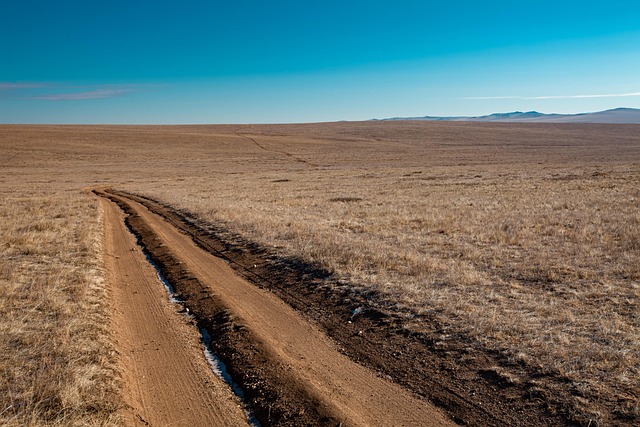
Sports and cultural events in desert landscapes foster community engagement, unity, and economic growth. Real estate developers cater to a growing demand for tranquil, eco-friendly desert living by creating sustainable communities with energy-efficient homes and water conservation measures. These regions attract buyers seeking unique, character-filled places away from urban noise, positioning themselves as desirable lifestyle choices.
In the heart of arid landscapes, sports and culture thrive, intertwining with the unique fabric of desert living. This article explores how athletic pursuits foster community engagement in remote regions, while cultural events add vibrant threads to the tapestry of these resilient societies. Additionally, we delve into real estate trends, revealing how deserts are transforming from harsh terrains to sought-after lifestyle choices, driven by a fusion of outdoor adventures and diverse cultural experiences.
The Impact of Sports on Desert Communities
Sports play a pivotal role in fostering community engagement and unity within desert landscapes, where real estate developments often cater to a unique blend of residents with diverse backgrounds and interests. These communities thrive on the energy and spirit that athletic events bring, creating a sense of belonging and shared identity. Local sports teams become symbols of pride, encouraging neighbors to gather, socialize, and build connections.
Through organized sports, desert dwellers actively participate in shaping their environment, from local tournaments to collaborative community initiatives. This collective involvement not only enhances the social fabric but also encourages healthy lifestyles, contributing to a thriving and vibrant desert culture. The integration of sports infrastructure in real estate projects becomes a strategic element, ensuring that communities are not just places to live but vibrant hubs where residents can connect, compete, and celebrate together.
Cultural Events in Arid Landscapes: A Flourishing Scene
Cultural events in arid landscapes have blossomed into vibrant expressions of local identity and community spirit, offering a unique blend of tradition and innovation that resonates with both locals and visitors alike. These events often showcase the rich cultural heritage of desert regions, from music and dance performances under starry skies to art exhibitions featuring the works of locally-inspired artists. Real estate in these areas can benefit significantly from such cultural attractions, as they draw tourists and foster a sense of place that enhances property values.
Many communities in arid landscapes have embraced the power of culture as a driver for economic growth and social cohesion. By hosting regular festivals, markets, and performances, they create spaces where people gather, connect, and celebrate their shared history. These cultural events not only enrich the lives of participants but also position the region as a desirable destination for those seeking more than just a place to live—a place imbued with character and charm, offered by the unique interplay between sport, culture, and desert living.
Real Estate Trends: Deserts as Lifestyle Choices
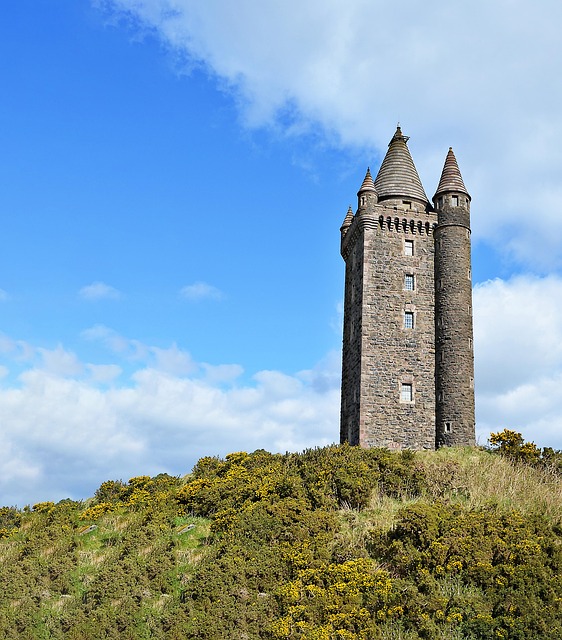
The real estate market has witnessed a growing trend that defies traditional geographic preferences—deserts are no longer just landscapes but viable lifestyle choices. This shift is particularly evident in regions like the American Southwest, where vast expanses of arid terrain are attracting buyers seeking unique living experiences. Desert properties offer not only breathtaking views but also a quieter, more serene existence far from the hustle and bustle of urban centers.
This trend is fueled by the appeal of open spaces, abundant natural light, and distinct seasonal changes that provide a refreshing alternative to the consistent climate of coastal or densely populated areas. Real estate developers are responding by creating sustainable, eco-friendly communities designed for desert living, incorporating features like energy-efficient homes, water conservation measures, and infrastructure tailored to withstand extreme weather conditions.