Arid environments present challenges for sports, yet regions like the Middle East have seen growth. Adaptations include hydration strategies, equipment design, and venue optimizations to enhance athlete safety and comfort. Desert communities thrive on culture, tradition, and close-knit social structures, with real estate playing a key role in preserving heritage.
Desert living offers unique advantages: expansive spaces, natural scenery, resilience, community, and sustainable practices. Real estate developers embrace eco-friendly technologies and smart homes to meet growing demand for these desirable, high-appreciating properties. Community events and local businesses strengthen social ties, making desert regions attractive for investors.
Sports, culture, and desert living are interconnected facets that shape the unique character of many regions worldwide. This harmonious blend offers a compelling lifestyle, attracting residents and visitors alike. However, balancing these elements in an ever-evolving real estate market poses challenges. The arid climate demands innovative architectural solutions, while cultural events and athletic facilities require thoughtful design integration. This article delves into strategies that seamlessly combine these aspects, enhancing the urban landscape and creating thriving communities. By exploring successful models, we offer valuable insights for developers and urban planners aiming to cultivate vibrant desert habitats.
Sports in Arid Environments: Challenges and Adaptations
Sports in arid environments present a unique set of challenges due to the harsh climate and limited water resources. Athletes and enthusiasts must adapt to extreme temperatures, high altitude, and dusty conditions, which can significantly impact performance and health. For instance, in regions like the Middle East, where real estate is dominated by expansive desert landscapes, outdoor sports participation has grown despite these obstacles.
One of the primary challenges is dehydration and heat exhaustion. Athletes may struggle to maintain optimal hydration levels due to increased sweat rates and limited accessible water sources. To counter this, structured hydration strategies, such as timed fluid intake during training sessions and competitive events, are essential. Additionally, incorporating specific exercises and training methods that enhance thermal tolerance can help athletes cope with high-temperature environments. For example, cross-training in cooler areas or using shaded equipment during practice sessions can mitigate some of the risks associated with heat stress.
Adaptations in sports equipment and venue design also play a crucial role. In arid regions, specialized gear is often required to address the unique conditions. This includes breathable clothing, reflective materials for visibility in low-light settings, and protective eyewear against dust storms. Furthermore, optimizing outdoor venues by incorporating shade structures, water misting systems, and timed scheduling to avoid peak heat hours can significantly improve athlete comfort and safety. These adaptations not only enhance the sporting experience but also encourage long-term participation and community engagement in these environments.
Desert Culture: Community, Tradition, and Identity
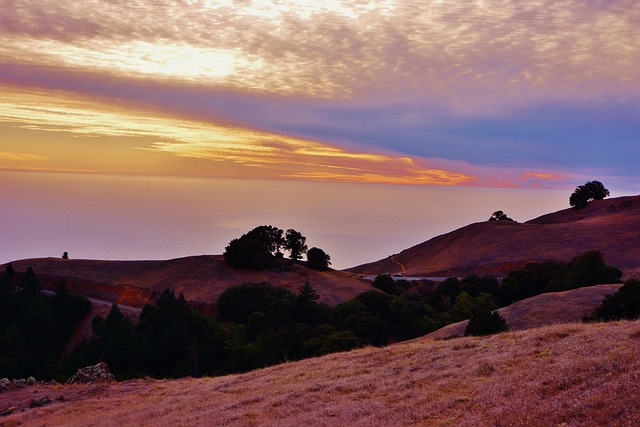
Desert communities are defined by a unique blend of rugged landscapes and enduring traditions, where close-knit social fabric and cultural heritage intertwine with modern life. This distinctive culture is deeply rooted in the challenges and beauty of desert environments, fostering a strong sense of community and identity among its residents. Real estate in these regions not only offers a lifestyle but becomes a canvas for preserving and showcasing this rich cultural tapestry.
The tight-knit nature of desert communities is a cornerstone of their resilience and cohesion. Neighbors often become extended families, with shared experiences shaped by the remote and expansive surroundings. Traditional practices like camel racing, tribal ceremonies, and local crafts have been passed down through generations, becoming integral parts of the community’s identity. These traditions not only bind residents together but also attract visitors seeking authentic cultural experiences, contributing to a thriving local economy. For instance, in countries like Saudi Arabia and the United Arab Emirates, traditional desert architecture and urban planning reflect community values, with open spaces and shared facilities fostering social interactions.
Cultural identity is intricately linked to the land in desert societies. The vast expanse of sand and rock provides both challenge and inspiration, encouraging a deep connection with nature. This relationship is often reflected in local art, music, and storytelling, which celebrate the desert’s beauty and endurance. Real estate developers can play a pivotal role in preserving this cultural heritage by incorporating traditional design elements into modern developments, ensuring that the region’s rich history remains accessible to both locals and visitors. Engaging with local communities, understanding their needs, and promoting cultural events are essential strategies for fostering a sense of belonging and pride among residents.
Additionally, desert living presents unique opportunities for sustainable development. Communities have traditionally adapted to harsh conditions through efficient water usage, ingenuity in building design, and knowledge of local flora and fauna. Integrating these principles into contemporary real estate can lead to eco-friendly and resilient urban planning. By embracing and promoting desert culture, both developers and residents can contribute to a vibrant, sustainable future while honoring the past.
Real Estate Opportunities: Desert Living's Unseen Advantages
Desert living, often overlooked due to its arid landscapes, presents a multitude of unseen advantages that are transforming real estate opportunities. The allure of expansive open spaces and breathtaking natural scenery is more than skin deep; it fosters a unique way of life characterized by resilience, community, and harmony with nature. This region’s real estate market has experienced significant growth, attracting investors and residents seeking not just properties but a distinct lifestyle. For instance, cities like Las Vegas have seen substantial development, offering everything from luxury high-rise condos to sprawling suburban homes, catering to diverse preferences within this desert setting.
The natural beauty of deserts provides opportunities for sustainable living and innovative design. Developers are increasingly incorporating eco-friendly practices, leveraging local resources, and adopting smart technologies to create energy-efficient homes. These efforts not only mitigate environmental impact but also lower maintenance costs for residents. Moreover, the arid climate naturally reduces water consumption, aligning with a growing trend towards water conservation. As such, desert real estate offers both practical advantages and an opportunity to live in harmony with the environment.
Community is another cornerstone of desert living. Tight-knit neighborhoods thrive in these regions, fostering a sense of belonging and mutual support. Local businesses and cultural events further strengthen community ties, creating vibrant social landscapes. Real estate investors recognize this as a significant draw, knowing that properties in such communities often appreciate faster due to high demand and the desirability of the lifestyle they offer. By understanding these unique advantages, investors and residents can capitalize on the burgeoning desert real estate market while embracing a way of life that is both enriching and sustainable.