Arid environments present unique challenges for sports and real estate development. Advanced cooling technologies and innovative designs enable sporting events in extreme conditions, as seen in Qatar's FIFA World Cup. Desert cultures, characterized by tight-knit communities and ancient traditions, are celebrated through events like camel races and eco-resorts that preserve local heritage. Real estate plays a crucial role in creating sustainable, livable spaces that integrate sports facilities and honor cultural values. Global sustainability initiatives drive green building practices and renewable energy adoption in desert real estate, addressing environmental concerns and meeting changing consumer demands.
Sports, culture, and desert living intertwine to shape unique communities and vibrant landscapes, impacting real estate naturally. In these arid environments, recreation and cultural activities become lifeblood, attracting residents and visitors alike. However, the challenge lies in balancing conservation efforts with urban development, ensuring these precious ecosystems thrive alongside growing populations. This article delves into the intricate relationship between sports infrastructure, cultural initiatives, and sustainable desert living, offering insights that can guide future developments. By exploring successful strategies, we aim to enhance our understanding of creating thriving, harmonious environments where people and nature flourish together.
Sports in Arid Environments: Challenges and Adaptations
Sports in arid environments present unique challenges due to extreme temperatures, limited water resources, and vast open spaces. Athletes and sports organizations must adapt their strategies and facilities to thrive in these conditions. For instance, in regions like the Middle East, where desert real estate dominates, outdoor sporting events are scheduled during cooler nighttime hours to mitigate heat stress. This shift requires careful planning and a deep understanding of local climate patterns.
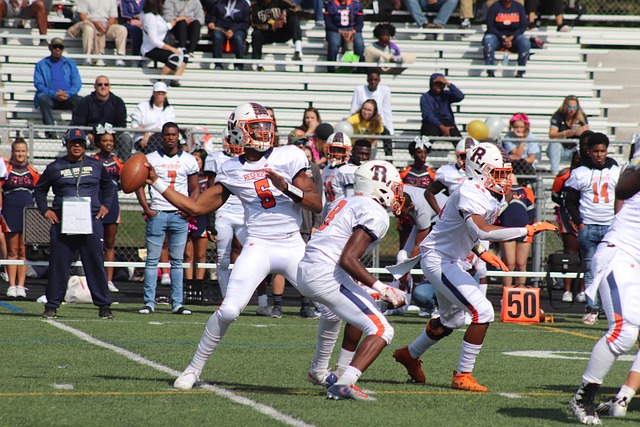
Many arid regions have successfully embraced innovative sports infrastructure to overcome these obstacles. Advanced cooling technologies, such as artificial turf and sophisticated ventilation systems, are being implemented in stadiums and training facilities. These adaptations ensure athletes perform at their best while minimizing health risks associated with heat exposure. For example, the 2022 FIFA World Cup in Qatar showcased state-of-the-art stadium design, featuring advanced cooling systems to maintain comfortable playing conditions during the peak summer months.
Additionally, desert environments offer unique opportunities for outdoor sports like sand racing, camel riding, and long-distance running. These activities attract global participants and spectators, fostering cultural exchange and promoting the region’s natural beauty. By embracing these adaptations and leveraging local resources, arid regions can develop thriving sporting cultures that are both sustainable and distinctive. Expert guidance in climate-responsive design and access to advanced technologies will continue to shape the future of sports in these environments, ensuring their longevity and appeal.
Desert Culture: Unique Traditions and Community Bonds
Desert culture is a unique blend of traditions deeply rooted in the harsh yet enchanting landscape. The tight-knit communities that emerge in these arid regions have developed resilient social structures, celebrated in festivals like the annual camel races in Dubai, where local heritage meets modern spectacle. These gatherings aren’t just entertaining; they strengthen community bonds, preserving ancient customs and fostering a collective identity.
Real estate plays a significant role in shaping desert culture. The sparse distribution of settlements encourages a close-knit sense of neighborhood, with shared spaces becoming the heart of these communities. For example, in the oases scattered across the Sahara, communal wells have historically served as social hubs, facilitating trade and storytelling. Today, developments like eco-resorts and luxury villas built thoughtfully within these landscapes respect and even highlight this cultural heritage, attracting visitors seeking authentic experiences.
However, rapid urbanization presents challenges to preserving desert traditions. As cities expand into once-remote areas, the pressure to modernize and westernize can dilute local customs. To mitigate this, community leaders and urban planners must collaborate on sustainable development strategies that protect cultural sites and promote traditional practices. Encouraging real estate projects that integrate native architecture and support local artisans ensures a balance between progress and preservation, allowing desert cultures to thrive alongside contemporary living.
Ultimately, embracing and documenting these unique traditions is vital for their longevity. Supporting local initiatives that celebrate desert culture through art, music, and storytelling helps ensure these legacies persist for future generations. By integrating cultural awareness into real estate development, we can create harmonious environments that not only accommodate modern lifestyles but also honor the rich tapestry of desert heritage.
Real Estate's Role: Shaping Desert Living Spaces
The intersection of sports, culture, and desert living presents a unique opportunity to explore how real estate shapes and is shaped by these dynamic forces. Desert landscapes, with their vast open spaces and extreme climates, demand innovative design and sustainable practices in housing and recreational infrastructure. Real estate naturally plays a pivotal role in addressing these challenges, creating livable and inviting spaces that cater to both the physical and cultural needs of residents. For instance, in cities like Las Vegas, Nevada, where desert conditions are severe, modern real estate developments prioritize energy-efficient construction, smart home technologies, and lush indoor-outdoor living areas to mitigate the harsh environment.
The cultural aspect is equally significant. Desert communities often foster a deep connection with nature and outdoor recreation, leading to the integration of sports facilities within residential neighborhoods. Real estate developers and urban planners collaborate with local sporting organizations to create multi-purpose parks, bike trails, and open spaces that encourage an active lifestyle. These integrated designs not only enhance the physical well-being of residents but also foster a sense of community through shared cultural experiences. For example, the development of desert resorts in Southern California has seamlessly blended luxurious accommodations with extensive sports facilities, attracting visitors from around the world who come to experience the region’s unique blend of natural beauty and athletic pursuits.
Moreover, real estate trends in desert living are influenced by global sustainability initiatives, with a growing emphasis on green building practices and renewable energy sources. Developers are incorporating smart grid technologies, solar panels, and water conservation systems into their projects to reduce environmental footprints. This shift towards eco-friendly real estate not only reflects changing consumer preferences but also ensures the long-term viability of desert communities by mitigating resource scarcity issues. As such, real estate continues to be a driving force in shaping desert living spaces, balancing the needs of residents, the demands of culture, and the imperatives of environmental stewardship.